
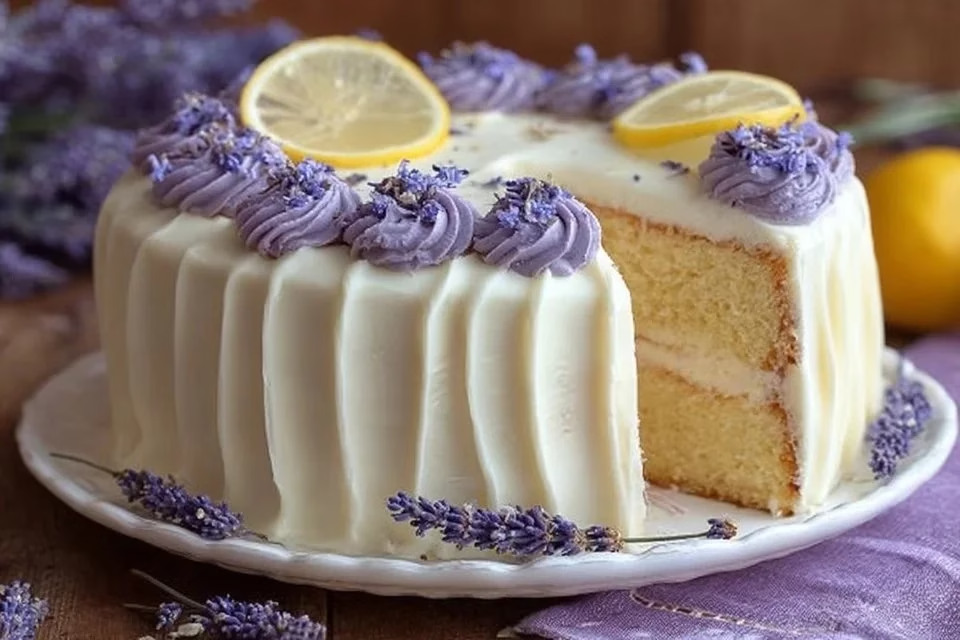
When you find a recipe that blends unique flavors with comforting charm, you know it’s a keeper. This Lemon Lavender Cake is perfect for those quieter moments at home or casual gatherings with family and friends. Its gentle sweetness and fragrant lavender make it feel special without being fussy. This cake is simple to make, and its balance of lemon and lavender creates a delightful flavor profile that many will enjoy. Let’s get cooking and savor this easy, comforting treat.
Why You’ll Love This Lemon Lavender Cake
This Lemon Lavender Cake offers a wonderful balance of ease and reliability, making it a practical choice for any day of the week. The comforting flavors of lemon and lavender come together harmoniously, providing a refreshing twist on a classic dessert. This recipe is perfect for mixing up your baking routine while remaining straightforward enough for everyday occasions.
Kitchen Tools You’ll Need
- Mixing bowls
- Measuring cups and spoons
- Electric mixer or whisk
- Rubber spatula
- Baking pan
- Cooling rack
Ingredients
- 2 ½ cups all-purpose flour (structure)
- 2 teaspoons baking powder (leavening agent)
- ½ teaspoon baking soda (leavening agent)
- ½ teaspoon salt (enhances flavor)
- ½ cup unsalted butter, softened (adds moisture and richness)
- 1 ½ cups granulated sugar (for sweetness)
- 3 large eggs (binding and structure)
- 1 tablespoon finely grated lemon zest (adds citrus flavor)
- ¼ cup fresh lemon juice (for tanginess)
- 1 cup whole milk (adds moisture)
- 2 tablespoons dried lavender buds, culinary grade (floral flavor)
- 1 teaspoon vanilla extract (enhances overall flavor)
- 1 ½ cups powdered sugar (for sweetness in glaze)
- 2 tablespoons fresh lemon juice (for glaze)
- 1 tablespoon lemon zest (for glaze flavor)
- 1 tablespoon dried lavender buds (for glaze flavor)
- ½ cup unsalted butter (for frosting, softened)
- 4 cups powdered sugar (for sweetness in frosting)
- 2 tablespoons heavy cream (adds richness)
- 2 tablespoons fresh lemon juice (for tang in frosting)
- 1 tablespoon lemon zest (for frosting flavor)
- 1 tablespoon dried lavender buds (for frosting flavor)
- Pinch of salt (enhances flavor in frosting)
How to Make Lemon Lavender Cake
Step 1. Start by preheating your oven to 350°F (175°C). Greasing your baking pan is next. This will prevent the cake from sticking and help it come out smoothly once baked. A light coating of butter or cooking spray on the bottom and sides of your pan will help achieve that.
Step 2. In a mixing bowl, combine the all-purpose flour, baking powder, baking soda, and salt. Whisk these dry ingredients together until they are well-blended. This step is important as it ensures even distribution of the leavening agents and salt, which will help your cake rise evenly.
Step 3. In a separate bowl, cream the softened unsalted butter with the granulated sugar using an electric mixer or a whisk. Mix until it becomes light and fluffy, which usually takes about 3 to 5 minutes. This process incorporates air into the mixture, contributing to the cake’s texture.
Step 4. Add the eggs one at a time to the butter and sugar mixture, ensuring each is fully incorporated before adding the next. You should watch for a smooth, creamy consistency. This step helps to bind the ingredients together and adds richness to the cake.
Step 5. Mix in the finely grated lemon zest and fresh lemon juice. This will add bright citrus notes to the cake. Stir until incorporated, and be sure to scrape down the sides of the bowl to ensure everything is well blended.
Step 6. Now, gradually add the dry ingredient mixture to the wet ingredients, alternating with the whole milk. Start with a third of the dry ingredients, followed by half of the milk, and continue this pattern until all ingredients are combined. This technique prevents the flour from clumping and keeps the batter smooth and even.
Step 7. Fold in the dried lavender buds gently using a rubber spatula. This will infuse the batter with a lovely floral flavor without overmixing, which can introduce unwanted toughness to the cake.
Step 8. Pour the batter into the prepared baking pan, spreading it evenly. Use the spatula to smooth the surface gently. This helps ensure that the cake rises uniformly as it bakes.
Step 9. Place the pan in the preheated oven and bake until the cake is golden brown and a toothpick inserted into the center comes out clean. Keep an eye on it; the cake should spring back when lightly touched, indicating it’s done.
Step 10. Once baked, remove the cake from the oven and let it cool in the pan for about 10 minutes. This cooling period allows it to set slightly and makes it easier to transfer to a cooling rack.
Step 11. Carefully remove the cake from the pan and let it cool completely on a rack. This step is important to prevent the frosting from melting when applied to a still-warm cake.
Step 12. While the cake cools, prepare the glaze. In a medium bowl, combine the powdered sugar, fresh lemon juice, lemon zest, and dried lavender buds. Mix until smooth, adjusting the consistency with a little more lemon juice if necessary. This glaze will add flavor and sweetness atop the cake.
Step 13. Once the cake has cooled completely, pour the glaze over the top, allowing it to drip down the sides. The glaze will create a lovely sugary finish while enhancing the cake’s refreshingly floral notes.
Step 14. For the frosting, combine the softened unsalted butter with the powdered sugar, heavy cream, fresh lemon juice, lemon zest, dried lavender buds, and a pinch of salt in a bowl. Beat until fluffy and well combined. This frosting should be rich and creamy without being overly sweet.
Step 15. After the glaze has set, you can either frost the entire cake with the lavender frosting or just the top, depending on your preference. The frosting beautifully complements the flavors of the cake, creating a cohesive taste experience.
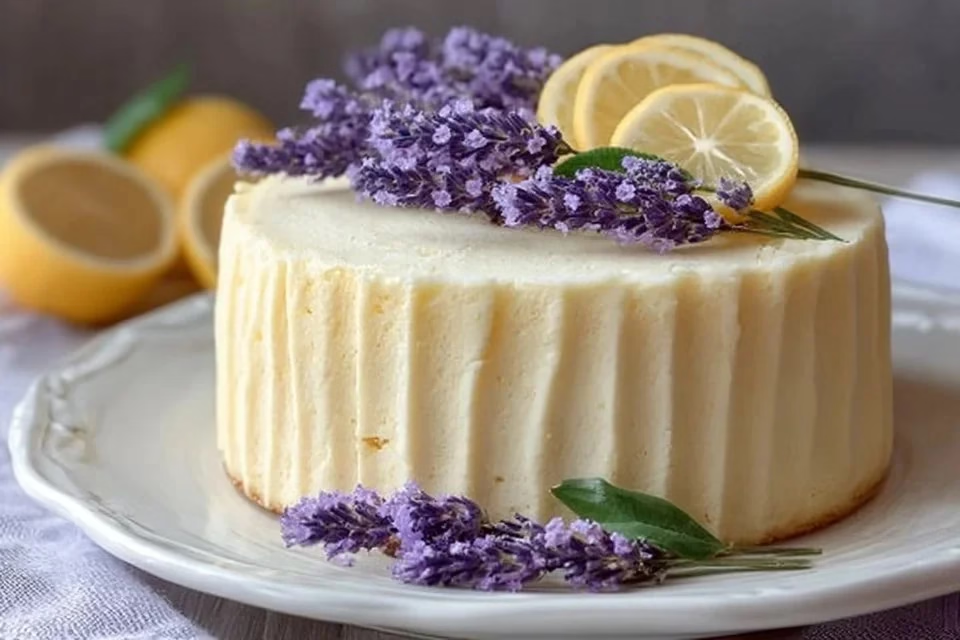
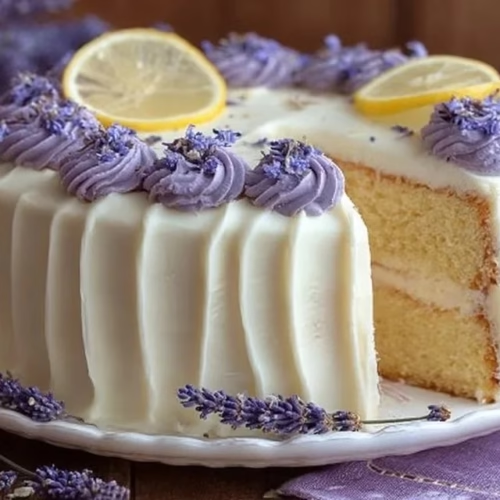
Step 16. Finally, garnish your cake with a few extra lavender buds or lemon slices if desired, and cut it into slices. Serve your Lemon Lavender Cake and enjoy a slice of this delightful and fragrant treat.
Serving Suggestions
This Lemon Lavender Cake shines at various times, whether as a sweet breakfast with coffee, a comforting snack during the afternoon, or a delightful dessert after dinner. Its versatility allows for serving it at casual family meals or during gatherings. Leftovers can be stored and enjoyed throughout the week, allowing the flavors to meld even further.
Pro Tips for Best Results
- Measure Your Ingredients Accurately: Baking requires precision, so use the correct measuring methods for dry and wet ingredients.
- Room Temperature Ingredients: Ensure your butter and eggs are at room temperature to help create an even batter and a better texture.
- Don’t Overmix the Batter: Mix just until combined to avoid a dense cake. The batter should be smooth, but lumps are okay.
- Cool Completely Before Frosting: This prevents melting and sliding of frosting, helping it to look nice and stay in place.
- Adjust Glaze Consistency: If the glaze is too thick, add a touch of lemon juice; if too thin, add a bit more powdered sugar.
- Store Properly: Keep the cake in an airtight container to maintain freshness and moisture.
Common Mistakes to Avoid
- Not Greasing the Pan Properly: If the pan isn’t greased well, the cake will stick and break apart when trying to remove it. Make sure to coat the pan thoroughly with butter or cooking spray.
- Overmixing the Batter: Mixing too much can lead to a tough texture instead of a light and fluffy cake. Stop mixing as soon as the ingredients are just combined for the best results.
- Using Cold Ingredients: Cold butter or eggs can create a dense batter. Be sure to let them come to room temperature for a lighter texture.
- Skipping the Cooling Step: Frosting a warm cake can cause the frosting to melt and slide off. Allow the cake to cool completely on a rack before applying frosting.
- Incorrect Oven Temperature: Relying solely on the oven dial can be misleading. An oven thermometer can help ensure your cake bakes at the right temperature for best results.
- Not Adjusting the Glaze: If your glaze turns out too thick or too thin, it can affect the final presentation. Adjusting with lemon juice or powdered sugar can give you the right consistency.
Variations & Substitutions
- Different Citrus Zest: Orange or lime zest can be used for a different flavor profile while maintaining the same cake base.
- Alternative Floral Flavor: Substitute dried lavender with dried chamomile for a similarly aromatic yet distinct option.
- Add Nuts: Chopped pistachios or almonds can provide a nice texture contrast, enhancing the overall experience.
Storage & Reheating
To keep your Lemon Lavender Cake fresh, store it covered at room temperature for 2-3 days. For longer storage, refrigerate it, where it can last up to a week. If freezing, wrap it securely in plastic wrap followed by aluminum foil, and it should last for a couple of months. To reheat, gently warm individual slices in the microwave for about 10-15 seconds, ensuring the texture and flavor remain intact.
Frequently Asked Questions
Can I make this recipe ahead of time?
Yes, you can prepare the cake a day in advance. Store it in an airtight container at room temperature, and then frost it just before serving for the best presentation.
How long does it last in the fridge?
The Lemon Lavender Cake can last up to a week in the fridge when stored properly. Just cover it well to maintain its moisture.
Can I freeze this recipe?
Absolutely, this cake freezes well. Wrap it tightly in plastic wrap and aluminum foil, and it can be frozen for a couple of months without losing much quality.
What can I substitute for one ingredient?
If you’re out of unsalted butter, you can use margarine, but it may alter the flavor slightly. Ensure you keep the same quantity for the best outcome.
Why didn’t my recipe turn out as expected?
There could be several reasons, including mismeasuring ingredients, overmixing, or baking at the wrong temperature. Always double-check your process for the best results.
Final Thoughts
Making this Lemon Lavender Cake is a treat in itself, blending simple ingredients into a delightful creation that can be enjoyed in many settings. Whether for a special occasion or a quiet moment at home, it offers a blend of flavors that’s both refreshing and comforting. With straightforward steps, even novice bakers can find joy in creating this fragrant dessert. Enjoy the process and the delicious outcome.
Lemon Lavender Cake
Ingredients
Cake Ingredients
- 2 ½ cups all-purpose flour Structure
- 2 teaspoons baking powder Leavening agent
- ½ teaspoon baking soda Leavening agent
- ½ teaspoon salt Enhances flavor
- ½ cup unsalted butter, softened Adds moisture and richness
- 1 ½ cups granulated sugar For sweetness
- 3 large eggs Binding and structure
- 1 tablespoon finely grated lemon zest Adds citrus flavor
- ¼ cup fresh lemon juice For tanginess
- 1 cup whole milk Adds moisture
- 2 tablespoons dried lavender buds, culinary grade Floral flavor
- 1 teaspoon vanilla extract Enhances overall flavor
Glaze Ingredients
- 1 ½ cups powdered sugar For sweetness in glaze
- 2 tablespoons fresh lemon juice For glaze
- 1 tablespoon lemon zest For glaze flavor
- 1 tablespoon dried lavender buds For glaze flavor
Frosting Ingredients
- ½ cup unsalted butter, softened For frosting
- 4 cups powdered sugar For sweetness in frosting
- 2 tablespoons heavy cream Adds richness
- 2 tablespoons fresh lemon juice For tang in frosting
- 1 tablespoon lemon zest For frosting flavor
- 1 tablespoon dried lavender buds For frosting flavor
- 1 pinch salt Enhances flavor in frosting
Instructions
Preparation
- Preheat your oven to 350°F (175°C) and grease your baking pan.
- In a mixing bowl, combine the all-purpose flour, baking powder, baking soda, and salt. Whisk together until well-blended.
- In a separate bowl, cream the softened unsalted butter with the granulated sugar until light and fluffy.
- Add the eggs one at a time, mixing until fully incorporated.
- Mix in the finely grated lemon zest and fresh lemon juice until incorporated.
- Gradually add the dry ingredient mixture to the wet mixture, alternating with the whole milk.
- Fold in the dried lavender buds gently.
Baking
- Pour the batter into the prepared pan and smooth the surface.
- Bake until golden brown and a toothpick inserted into the center comes out clean.
- Let the cake cool in the pan for about 10 minutes.
- Carefully remove the cake and let it cool completely on a rack.
Glazing and Frosting
- Prepare the glaze by mixing the powdered sugar, fresh lemon juice, lemon zest, and dried lavender buds until smooth.
- Pour the glaze over the cooled cake.
- For the frosting, beat together the softened unsalted butter, powdered sugar, heavy cream, fresh lemon juice, lemon zest, dried lavender buds, and a pinch of salt until fluffy.
- Frost the cake as desired after the glaze has set.
- Garnish with lavender buds or lemon slices if desired.