
There’s something comforting about a simple cake that comes together easily, especially on a busy weeknight or a lazy weekend morning. This Low Calorie Greek Yogurt Cake is a delightful treat that fits seamlessly into both everyday and special occasions. Whether enjoyed as a light dessert during a family gathering or quietly relished with a cup of tea, this cake offers a satisfying texture without being overly heavy. It’s straightforward to make and perfect for those moments when you want something indulgent yet easy to whip up in the kitchen.
Why You’ll Love This Recipe Low Calorie Greek Yogurt Cake
This recipe is all about ease and reliability, making baking feel approachable and enjoyable. The combination of yogurt and eggs provides a balanced flavor and a moist consistency, while the cornstarch helps achieve a tender crumb. It’s a practical dessert that can fit into your everyday life without feeling like a chore to prepare. Enjoy the comforting qualities of this cake, knowing it’s a lighter option that still delivers satisfaction.
Kitchen Tools You’ll Need
- Mixing bowls
- Whisk or fork
- Measuring cups
- Measuring spoons
- Baking dish
Ingredients
- 1 1/2 cups vanilla yogurt (adds moisture and flavor)
- 4 large eggs (provides structure and richness)
- 5 tbsp cornstarch (helps with texture and lightness)
How to Make Low Calorie Greek Yogurt Cake
Step 1. Begin by gathering all your ingredients in one place, ensuring you have the yogurt, eggs, and cornstarch ready to go. This setup not only helps streamline the process but also allows you to focus on each step without interruption.
Step 2. In a mixing bowl, combine the vanilla yogurt and eggs. Using a whisk or a fork, blend these ingredients together until the mixture appears smooth and well combined. You’ll want to look for a uniform consistency, as this will contribute to the cake’s final texture.
Step 3. Once your yogurt and egg mixture is smooth, gradually add in the cornstarch. Gently fold it in rather than vigorously mixing, allowing it to incorporate without creating air bubbles. The mixture should remain thick but cohesive, indicating that it’s ready for the next step.
Step 4. After incorporating the cornstarch, check the mixture for any lumps. If everything looks smooth and well-blended, you can pour the batter into a prepared baking dish. Make sure to spread it out evenly so that it will cook uniformly, giving you a nice rise and consistent texture throughout.
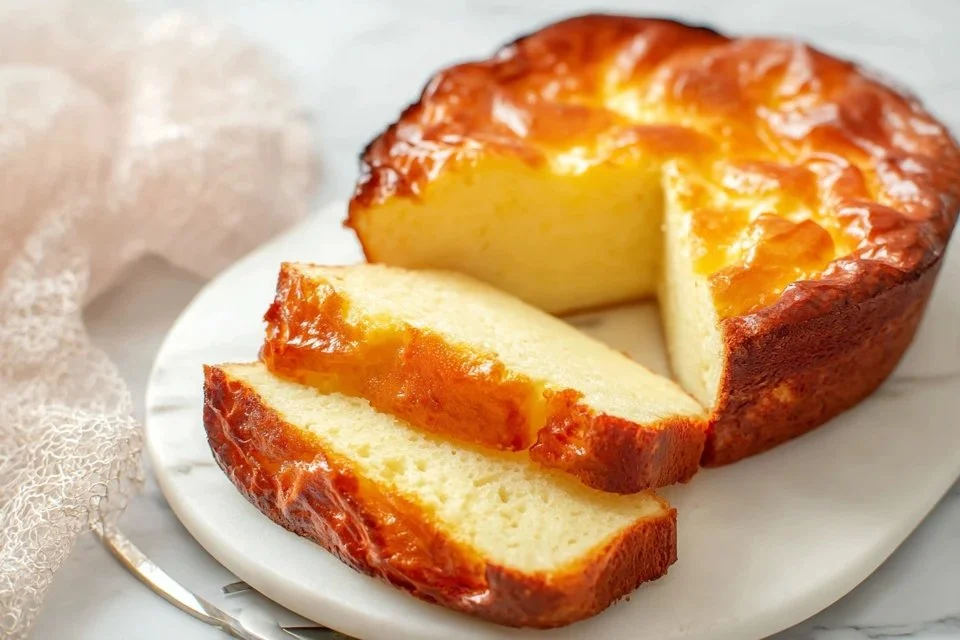
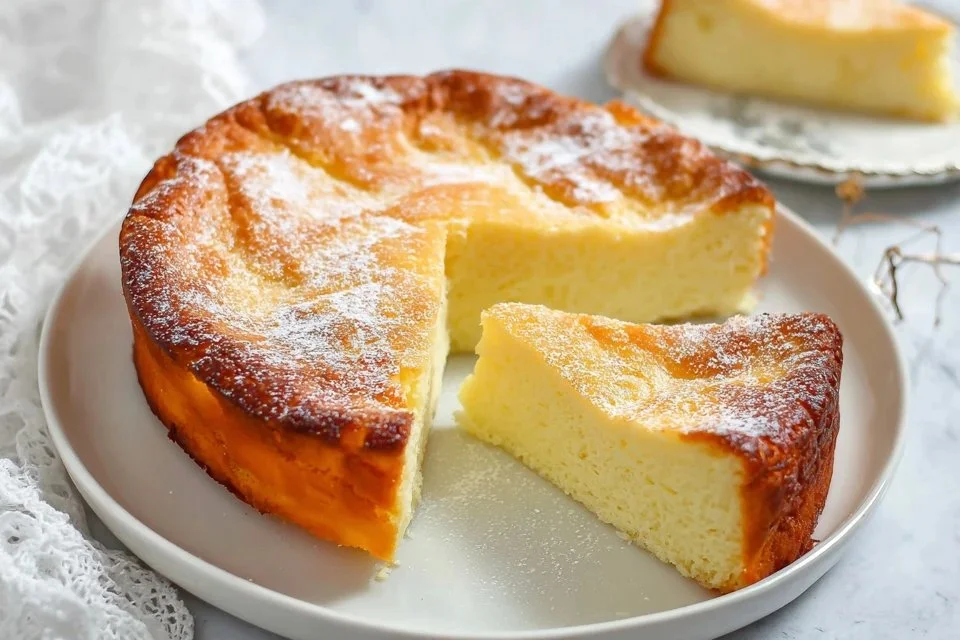
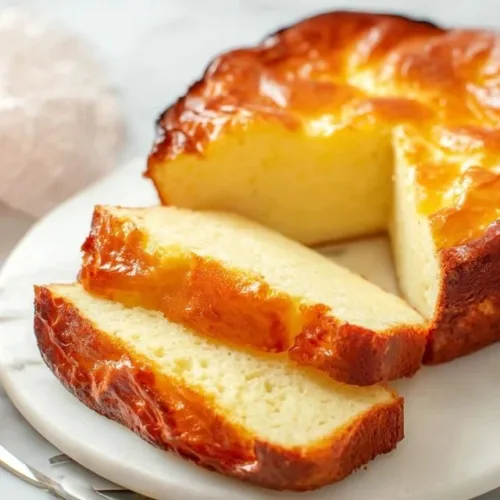
Step 5. Place your baking dish in the preheated oven. As the cake bakes, keep an eye on it for visual cues of doneness. Look for a lightly golden top and a firm outer edge, which usually indicates that the center will be cooked through as well.
Step 6. Once baked, carefully remove the dish from the oven. Allow the cake to cool in the pan for a few moments before transferring it to a wire rack. This step helps preserve the moisture and texture as it cools, ensuring it retains that enjoyable consistency.
Serving Suggestions
This Low Calorie Greek Yogurt Cake serves as a versatile option for various occasions. Consider enjoying it for breakfast, paired with fresh fruit or yogurt for a calming morning treat. It also works well as a light snack, great for mid-afternoon cravings. If you have leftovers, you can include it in family meals or simply savor it on its own for an evening dessert. Its balance of flavors makes it a comforting choice any time of day.
Pro Tips for Best Results
- Make sure your yogurt is at room temperature before mixing to help achieve a smooth batter.
- For added flavor, consider folding in lemon zest or a hint of vanilla extract with the yogurt and eggs.
- Allowing the cake to cool completely will help set its texture, making it easier to slice.
- If you find the mixture is lumpy, a gentle whisk can help smooth it out.
- Check for doneness a few minutes before the suggested baking time to avoid overbaking.
Common Mistakes to Avoid
- Not using room temperature ingredients: Cold yogurt or eggs can lead to a lumpy batter that won’t mix properly. Always let your ingredients come to room temperature to ensure a smooth mixture.
- Overmixing the batter: While it’s important to combine the ingredients, overmixing can lead to a tough texture in the cake. Stop mixing as soon as the cornstarch is incorporated to maintain the cake’s lightness.
- Skipping the cooling step: Cutting into the cake while it’s still warm can cause it to break apart easily. Letting it cool completely is crucial for a clean slice and the best texture.
- Not checking for doneness: Every oven is different, so rely on visual cues like color and texture rather than just a timer. This prevents the cake from becoming dry.
- Using expired cornstarch: Ensure your cornstarch is fresh for optimal results, as old cornstarch can lose its thickening power, affecting the cake’s rise and texture.
- Not measuring ingredients accurately: Baking is a science, and accurate measurements are key to achieving the right texture and flavor. Use standard measuring cups and spoons for best results.
Variations & Substitutions
For a subtle twist, consider adding spices like cinnamon or nutmeg to the batter. Some choose to top the cake with fresh fruit or a light glaze after baking for added flavor. You could also experiment with different flavored yogurts, such as lemon or berry, to create a unique taste profile while retaining the cake’s moist qualities.
Storage & Reheating
For room-temperature storage, keep the cake covered to prevent it from drying out. If you prefer refrigeration, place it in an airtight container. The cake will last for about 3-4 days in the fridge. While freezing could be an option for longer storage, it’s best enjoyed fresh. When reheating, using a microwave for short bursts can help maintain its moisture without overcooking.
Nutrition Information
- Calories: Not available
- Total Fat: Not available
- Saturated Fat: Not available
- Carbohydrates: Not available
- Fiber: Not available
- Sugar: Not available
- Protein: Not available
- Sodium: Not available
Frequently Asked Questions
Can I make this recipe ahead of time?
Yes, this cake can be made ahead of time. Bake it and then store it in the refrigerator once completely cooled. It’s a great option for preparing for gatherings or busy days.
How long does it last in the fridge?
Stored properly in an airtight container, the cake can last in the fridge for about 3-4 days. Make sure it’s cool before covering to maintain moisture.
Can I freeze this recipe?
You can freeze the cake for longer storage. Wrap it tightly in plastic wrap, followed by aluminum foil, to preserve its moisture and prevent freezer burn.
What can I substitute for one ingredient?
If you don’t have vanilla yogurt, plain yogurt can be used, but you may want to adjust the sweetness by adding a little honey or sugar, as plain yogurt will be less sweet.
Why didn’t my recipe turn out as expected?
Common issues include incorrect ingredient measurements, not mixing thoroughly enough, or overbaking. Make sure to follow the steps closely to achieve the best results.
Final Thoughts
Creating this Low Calorie Greek Yogurt Cake is a straightforward process that rewards you with a comforting dessert. Its light texture and balanced flavors make it a delightful addition to any meal. Whether you enjoy it fresh from the oven or with some fruit, it’s a reassuring choice that fits seamlessly into everyday life. Remember, cooking is about finding joy in simplicity, and this cake embodies just that.
Low Calorie Greek Yogurt Cake
Ingredients
Main Ingredients
- 1.5 cups vanilla yogurt adds moisture and flavor
- 4 large eggs provides structure and richness
- 5 tbsp cornstarch helps with texture and lightness
Instructions
Preparation
- Begin by gathering all your ingredients in one place, ensuring you have the yogurt, eggs, and cornstarch ready to go.
- In a mixing bowl, combine the vanilla yogurt and eggs. Using a whisk or a fork, blend these ingredients together until the mixture appears smooth and well combined.
- Once your yogurt and egg mixture is smooth, gradually add in the cornstarch. Gently fold it in rather than vigorously mixing.
- After incorporating the cornstarch, check the mixture for any lumps. Pour the batter into a prepared baking dish, spreading it out evenly.
- Place your baking dish in the preheated oven and watch for visual cues of doneness like a lightly golden top.
- Once baked, let the cake cool in the pan briefly before transferring it to a wire rack.