
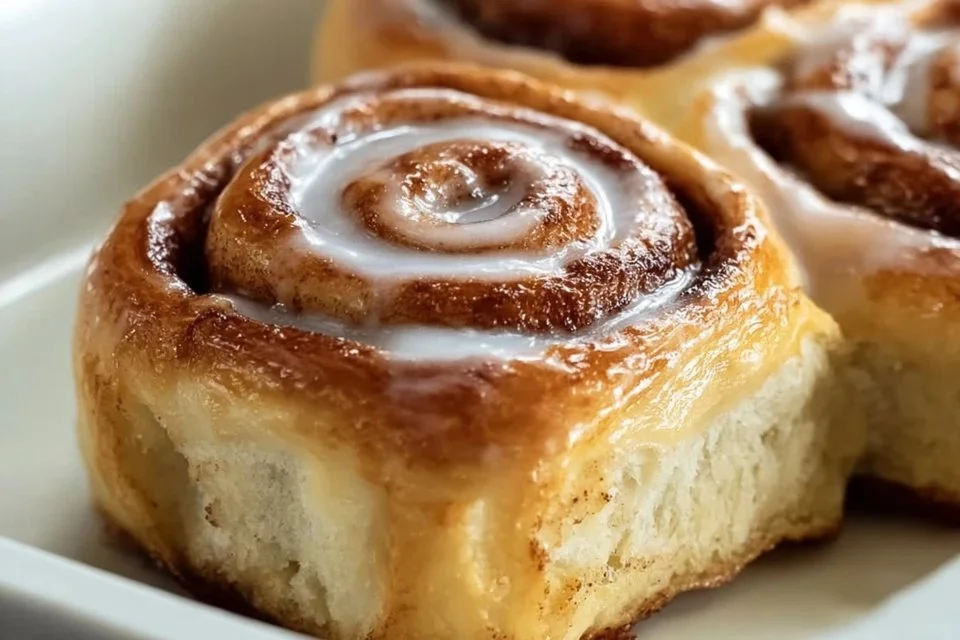
There’s something beautifully simple about preparing fresh cinnamon rolls in the comfort of your home. Perfect for leisurely weekends or a special gathering, these rolls bring warmth and comfort to any morning. Using sourdough discard adds moisture and a hint of tanginess, balancing the sweetness of the cinnamon and sugar. Overall, it’s a straightforward recipe that celebrates the joy of homemade baking. Let’s dive into this delightful recipe.
Why You’ll Love This Brunch Cinnamon Rolls
These cinnamon rolls are easy to prepare and rely on familiar ingredients you likely have at home, making them a dependable choice for brunch. The balance of sweet cinnamon filling and the softness from sourdough discard creates an enjoyable treat. Whether you’re picking them for breakfast or an evening snack, they offer comfort and practicality in every bite.
Kitchen Tools You’ll Need
- Mixing bowl
- Baking pan
- Whisk
- Measuring cups and spoons
- Rolling pin
Ingredients
- 1 cup Sourdough Discard (adds moisture and a slight tang)
- 3 cups All-Purpose Flour (provides structure)
- ½ cup Granulated Sugar (sweetness for the dough)
- 1 cup Milk (adds moisture)
- 1 packet Active Dry Yeast (helps dough rise)
- ½ cup Butter, melted (for richness)
- 2 large Eggs (binds ingredients and adds richness)
- 2 tablespoons Cinnamon (flavorful spice)
- ¼ cup Granulated Sugar for filling (sweetness for the layers)
- 1 cup Powdered Sugar for icing (for sweetness and texture)
- 1 teaspoon Vanilla Extract (adds depth of flavor)
- 1-2 tablespoons Milk for icing (adjusts consistency)
How to Make Brunch Cinnamon Rolls
Step 1. Begin by combining the sourdough discard and warm milk in a mixing bowl. Use a whisk to blend them well, ensuring there are no lumps. This mixture serves as the base to introduce moisture into your dough and helps activate the yeast later.
Step 2. Next, sprinkle the active dry yeast over the milk and sourdough mixture. Allow it to sit for about five to ten minutes until it appears foamy. This foaming indicates that the yeast is activated and ready to help the dough rise.
Step 3. In a separate bowl, whisk together the all-purpose flour, granulated sugar, and salt. Mixing these dry ingredients ahead of time ensures even distribution of flavors and nutrients, setting a solid foundation for your dough.
Step 4. After the yeast has activated, add the melted butter and the eggs to the mixture. Stir using a spatula or wooden spoon until fully incorporated. This helps introduce fat and protein, which contribute to the rolls’ tender texture.
Step 5. Gradually fold the dry ingredients into the wet mixture. Continue until you have a shaggy dough that begins to pull away from the sides of the bowl. This is a sign that your ingredients are coming together.
Step 6. On a lightly floured surface, knead the dough for about five to seven minutes until it becomes smooth and elastic. You should notice a shift in texture as you work, becoming less sticky and more cohesive.
Step 7. Place the kneaded dough into a greased bowl and cover it with a damp cloth. Let it rise in a warm spot until doubled in size, roughly 1 to 1.5 hours. During this time, the yeast will help the dough expand and develop flavor.
Step 8. Once the dough has risen adequately, roll it out on a floured surface into a rectangular shape. Aim for about a ½-inch thickness. This rolling stage creates the right surface area for your filling, maximizing flavor in each bite.
Step 9. Prepare the filling by combining the cinnamon and granulated sugar in a small bowl. Sprinkle this mixture evenly over the rolled dough. The sugar adds sweetness, while the cinnamon lends a warm, aromatic flavor that defines your rolls.
Step 10. Starting from one edge, gently roll the dough into a log shape. Work slowly to maintain an even tightness throughout the roll. This initial shaping is essential, as it determines how well your rolls will hold their shape during baking.
Step 11. Slice the rolled dough into approximately 12 equal pieces. A sharp knife or dental floss can work well for this task. The goal is to make uniform pieces; this ensures even baking and a consistent size for delightful presentation.
Step 12. Arrange the sliced rolls in a greased baking pan, spacing them closely for soft sides. Cover the pan again with a damp cloth and allow them to rise for another 30 minutes. This second rise enhances the fluffiness of your rolls.
Step 13. As the rolls rise, preheat the oven. Once they’ve completed their second rise, they should look puffy and nearly touching. Baking them at the right temperature will help achieve a golden, visually appealing exterior.
Step 14. Bake the rolls until golden brown, usually around 25 to 30 minutes. Look for a golden hue and a slightly firm top, which indicates they are cooked through but still soft inside.
Step 15. After baking, remove the rolls from the oven and let them cool slightly in the pan. Meanwhile, prepare the icing by mixing powdered sugar, vanilla extract, and milk until smooth. This glaze adds a finishing touch of sweetness.
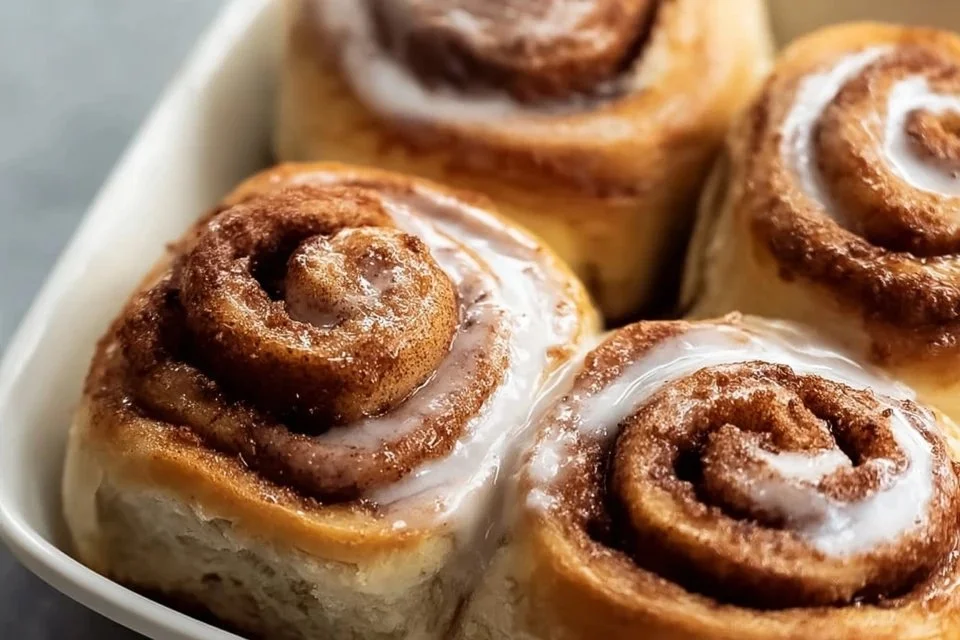
Step 16. Drizzle or spread the icing over the warm rolls before serving. This will allow the icing to melt slightly into the crevices, enhancing each bite. The combination of warm rolls and a sweet glaze creates an inviting, comforting treat.
Serving Suggestions
These cinnamon rolls shine as a breakfast centerpiece or afternoon snack. They can be enjoyed fresh from the oven or saved for family meals later in the day. If you have leftovers, they also serve well for a quick treat during the week. Pair them with coffee or tea for a cozy mid-day pick-me-up, and they’ll surely please everyone at the table.
Pro Tips for Best Results
- Use room temperature ingredients for better incorporation and a smoother dough.
- Make sure your yeast is fresh for optimal rise. Stale yeast can lead to dense rolls.
- Don’t rush the rising process; letting the dough rise fully ensures a light, airy texture.
- Adjust the glaze consistency with milk as needed for your preferred thickness.
- Allow the rolls to cool slightly before icing to prevent the glaze from completely melting away.
- Store any leftovers in an airtight container to maintain their softness.
Common Mistakes to Avoid
- Not activating yeast properly: If yeast isn’t allowed to bloom and foam, your dough won’t rise. Always check if the yeast is fresh and follow the resting time.
- Skipping the kneading step: Neglecting to knead leads to dense rolls. Kneading helps develop gluten, creating structure and texture.
- Over or under-proofing dough: Too much rise can cause rolls to collapse, while not enough results in dense rolls. Monitor the dough’s size during both rises for best results.
- Rolling the dough too thin: If the dough is rolled too thin, the rolls may lack the airy quality. Aim for about a half-inch thickness to ensure proper texture.
- Not using enough filling: Insufficient cinnamon and sugar will lead to a less flavorful roll. Make sure to spread the filling evenly across the dough surface.
- Baking at the wrong temperature: Baking too hot may cause the rolls to brown too quickly while remaining uncooked inside. Keep an eye on them to find the perfect balance.
Variations & Substitutions
- Add nuts or raisins for extra texture and flavor. Simply sprinkle them over the filling before rolling.
- Use different spices such as nutmeg or cardamom for a unique flavor twist in the filling.
- Try a cream cheese icing instead of vanilla glaze for a rich, tangy contrast.
Storage & Reheating
Store any leftover cinnamon rolls in an airtight container at room temperature for up to two days. For longer storage, they can be refrigerated for about a week. If you want to freeze them, wrap each roll tightly in plastic wrap and place them in a freezer bag. For best results, reheat them in the oven on low heat until warmed through, preserving their soft texture.
Frequently Asked Questions
Can I make this recipe ahead of time?
Yes, you can prepare the dough the night before and refrigerate it after the first rise. In the morning, let it come to room temperature before shaping and baking.
How long does it last in the fridge?
These cinnamon rolls can last in the fridge for up to a week when stored in an airtight container. They should stay fresh and soft.
Can I freeze this recipe?
Absolutely. You can freeze the unbaked rolls after slicing or freeze the baked ones. Just remember to wrap them tightly to prevent freezer burn.
What can I substitute for one ingredient?
If you don’t have sourdough discard, use an equal amount of yogurt or buttermilk for moisture, though it will change the flavor slightly.
Why didn’t my recipe turn out as expected?
Common issues arise from not activating the yeast correctly, incorrect rising times, or uneven rolling, which can all affect the final texture and flavor.
Final Thoughts
Making these cinnamon rolls is a lovely way to spend time in the kitchen and enjoy something comforting. The process is straightforward, allowing for creativity within the simplicity. With soft layers and the sweet aroma filling your home, they’re sure to be a favorite at any table. Embrace the experience of baking and enjoy each warm, cinnamon-spiced bite.

Cinnamon Rolls
Ingredients
Dough Ingredients
- 1 cup Sourdough Discard adds moisture and a slight tang
- 3 cups All-Purpose Flour provides structure
- ½ cup Granulated Sugar sweetness for the dough
- 1 cup Milk adds moisture
- 1 packet Active Dry Yeast helps dough rise
- ½ cup Butter, melted for richness
- 2 large Eggs binds ingredients and adds richness
Filling Ingredients
- 2 tablespoons Cinnamon flavorful spice
- ¼ cup Granulated Sugar for filling sweetness
Icing Ingredients
- 1 cup Powdered Sugar for sweetness and texture
- 1 teaspoon Vanilla Extract adds depth of flavor
- 1-2 tablespoons Milk to adjust icing consistency
Instructions
Preparation
- Combine the sourdough discard and warm milk in a mixing bowl. Whisk until well blended.
- Sprinkle the active dry yeast over the mixture and let it sit until foamy, about 5-10 minutes.
- In a separate bowl, whisk together the all-purpose flour, granulated sugar, and salt.
- Add the melted butter and eggs to the yeast mixture and stir until fully incorporated.
- Gradually fold the dry ingredients into the wet mixture until a shaggy dough forms.
- Knead the dough on a floured surface for 5-7 minutes until smooth and elastic.
- Place the dough in a greased bowl, cover with a damp cloth, and let it rise until doubled, about 1-1.5 hours.
Rolling and Filling
- Roll out the dough on a floured surface into a rectangle, approximately ½-inch thick.
- Mix the cinnamon and granulated sugar in a bowl and sprinkle over the rolled dough.
- Roll the dough from one edge to create a log.
- Slice the log into approximately 12 equal pieces.
- Arrange the rolls in a greased baking pan, cover, and let rise for another 30 minutes.
Baking
- Preheat the oven while the rolls rise.
- Bake the rolls at 350°F until golden brown, about 25-30 minutes.
Icing
- Let the rolls cool slightly in the pan.
- Mix powdered sugar, vanilla extract, and milk until smooth.
- Drizzle or spread the icing over the warm rolls before serving.