

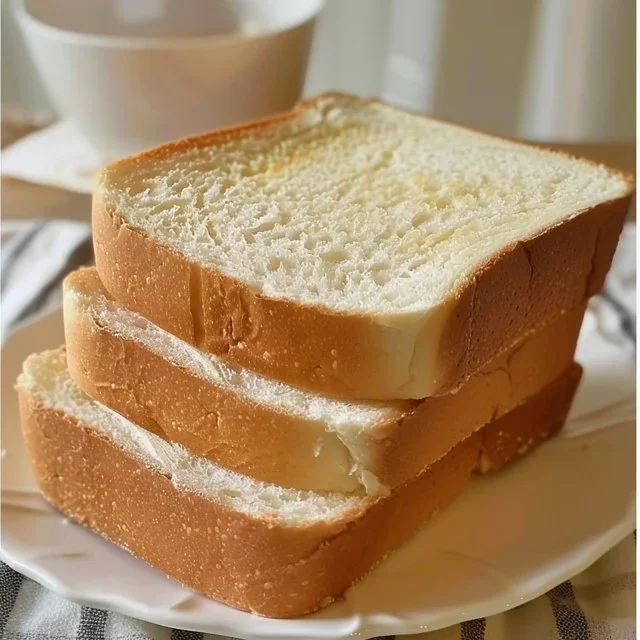
There’s something comforting about the process of making bread at home. It invites us into the kitchen for a bit of quiet hands-on work that pays off in delicious ways. Whether you’re preparing for busy weeknights, leisurely weekends, or gatherings with family and friends, this bread fits seamlessly into everyday moments. Its soft texture and sturdy structure make it a versatile option for meals or snacks, ready to serve with a spread or as the base for your favorite sandwich. Let’s dive into this simple yet satisfying process.
Why You’ll Love This Recipe Soft Sourdough Sandwich Bread
This recipe is a reliable way to bring comfort into your kitchen. It balances ease with a pleasant flavor, making it perfect for all occasions. The soft sourdough sandwich bread delivers a wholesome taste that pairs beautifully with various fillings, ensuring it’s practical for daily meals. You’ll appreciate how straightforward and rewarding the whole process is, allowing you to enjoy homemade bread without fuss.
Kitchen Tools You’ll Need
- Mixing bowl
- Measuring scale
- Bench scraper or spatula
- Clean kitchen towel
- Bread pan
Ingredients
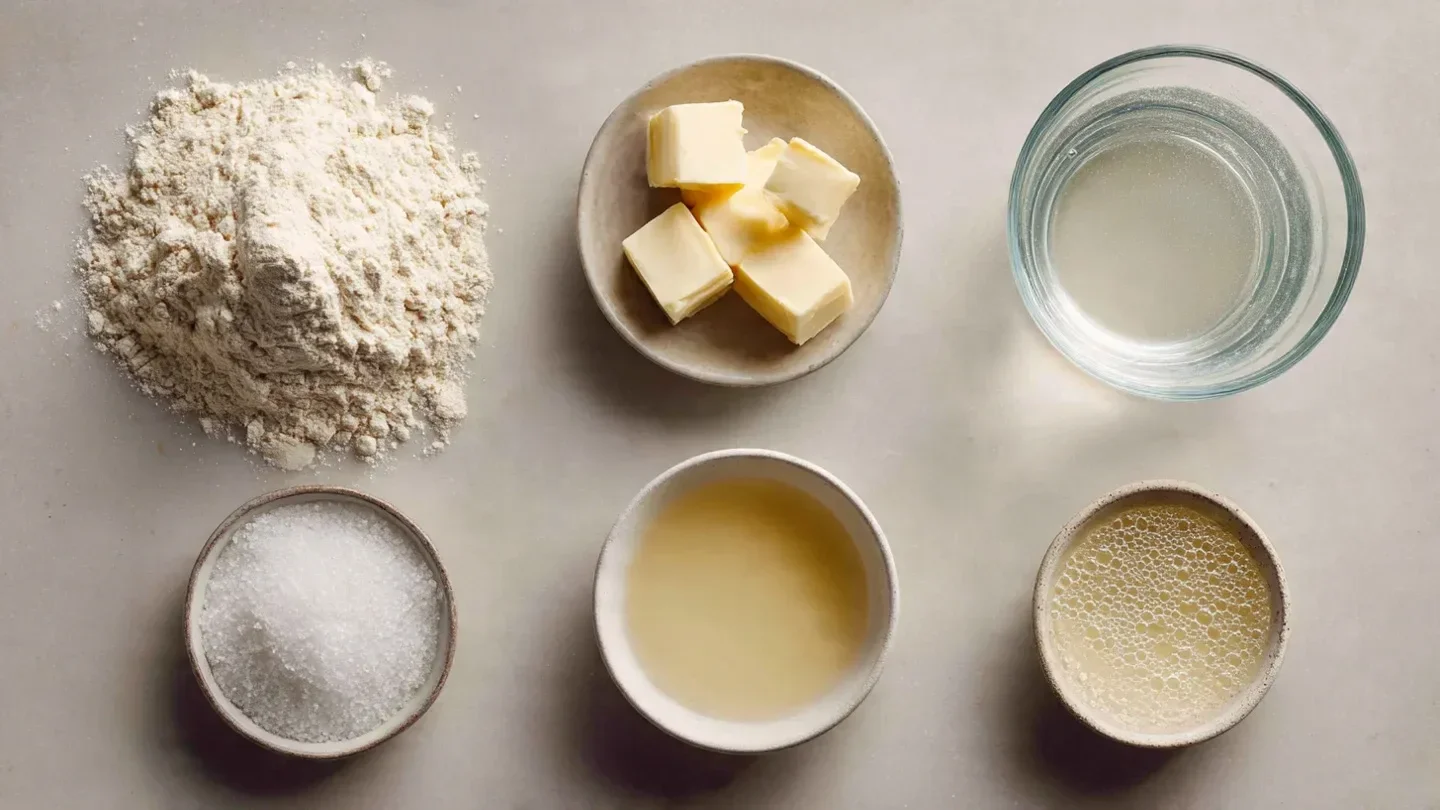
- 500 g Organic Bread Flour (provides structure and chew)
- 10 g salt (enhances flavor)
- 90 g unsalted butter, cubed (adds richness and moisture)
- 30 g raw honey (for subtle sweetness and fermentation)
- 150 g starter (aids in rising and flavor)
- 230 g filtered water (hydrates the dough)
How to Make Soft Sourdough Sandwich Bread
Step 1. Begin by measuring 500 grams of organic bread flour into a mixing bowl. This flour will serve as the backbone of your bread, providing the necessary gluten for structure. It’s best to use a kitchen scale for accuracy, as this can significantly impact the dough’s consistency.
Step 2. Add 10 grams of salt to the flour. The salt is crucial for enhancing the overall flavor of the bread and helps to control the fermentation process. Mix the dry ingredients together with a spoon or your fingers, ensuring that the salt is evenly distributed throughout the flour.
Step 3. Incorporate 90 grams of cubed unsalted butter into the flour mixture. Using your fingertips or a pastry cutter, work the butter into the flour until the mixture resembles coarse crumbs. This integration will ensure a tender crumb and add a rich flavor.
Step 4. Next, blend in 30 grams of raw honey to the mixture. The honey lends a subtle sweetness that complements the natural tang of the sourdough starter. It can also help to promote browning during baking. Mix until the honey is fully incorporated.
Step 5. Add 150 grams of starter to the bowl. The starter is key in this recipe, providing natural leavening and a depth of flavor to the bread. Use a spatula or your hands to gently fold it into the mixture, ensuring all ingredients are well-combined.
Step 6. Pour 230 grams of filtered water into the mixture. Slowly incorporate the water to avoid any splashing, mixing it until it forms a shaggy dough. The hydration level is important, as it helps create the desired texture in the finished bread.
Step 7. Knead the dough on a lightly floured surface for about 8–10 minutes until it becomes smooth and elastic. This process develops the gluten, giving the bread its structure. You’ll know the dough is ready when it springs back slightly after being pressed with your finger.
Step 8. Shape the dough into a ball and place it in a lightly greased bowl, turning it to coat in oil. Cover the bowl with a clean kitchen towel and let it rise in a warm spot until doubled in size. This could take a couple of hours depending on your starter’s strength and the room temperature.
Step 9. Once the dough has risen, gently deflate it on a floured surface. Shape it into a loaf and place it into a greased bread pan. The shaping ensures a tight loaf that will rise evenly during the second proof and bake.
Step 10. Cover the loaf with a towel again and allow it to rise until it has dome-shaped on top, which may take about another hour. This final proof will help achieve a soft and airy texture in the finished bread.
Step 11. Preheat your oven to 350°F (175°C). Baking at this temperature allows for a gentle rise and helps to develop a nice crust. Keep an eye on the loaf as it bakes, looking for a golden-brown color.
Step 12. Bake the bread in the preheated oven for about 30-35 minutes. It’s done when the top is golden, and tapping the bottom produces a hollow sound. Removing it at just the right moment ensures a well-cooked crumb without over-drying.
{image_2}
Serving Suggestions
This soft sourdough sandwich bread shines in various scenarios. For breakfast, toast a slice and butter it, or layer it with avocado for a quick morning meal. At lunchtime, it makes a sturdy base for sandwiches, complementing deli meats and fresh vegetables beautifully. It also serves well as a side for soups or salads at dinner. Any leftovers can be jazzed up with spreads for informal snacks, making it versatile for daily enjoyment.
Pro Tips for Best Results
- Measure your ingredients accurately for consistent results.
- Allow your starter to peak before using for maximum rise.
- Knead the dough thoroughly to develop gluten strength.
- Keep the dough covered during rising to prevent drying out.
- Don’t rush the proofing stage; it’s essential for a good texture.
- Cool the bread completely before slicing it to avoid a gummy crumb.
Common Mistakes to Avoid
- Not measuring ingredients accurately: This can lead to improper dough consistency. Always use a scale for precise measurements, especially with flour.
- Using an inactive starter: An inactive starter means insufficient rise. Ensure your starter is bubbly and active before using it.
- Skipping the kneading step: Neglecting to knead can result in dense bread. Knead until the dough is smooth and elastic to develop structure.
- Underproofing the dough: If the dough isn’t allowed to rise properly, the bread may be dense and heavy. Pay attention to the dough’s volume increase as your guide.
- Baking at the wrong temperature: Oven temperature affects bread texture. Make sure to preheat the oven to the correct temperature before baking.
- Slicing before cooling: Cutting bread while it’s warm can cause a gummy texture. Let the loaf cool completely to set the crumb.
Variations & Substitutions
You can add a sprinkling of seeds or nuts to the dough before its final shaping for added texture and flavor. For a slightly sweeter loaf, consider increasing the honey by a small amount. If you’re interested in a more rustic taste, experiment with a blend of whole grain flours instead of using only bread flour.
Storage & Reheating
To store your sourdough sandwich bread, keep it wrapped in a clean kitchen towel at room temperature for up to three days. For longer storage, it’s best to slice and freeze the bread in a sealed bag. To reheat, toast lightly or warm in the oven to regain its soft texture.
Frequently Asked Questions
Can I make this recipe ahead of time?
Yes, you can prepare the dough, shape it, and place it in the fridge overnight before baking. This can enhance the flavor while allowing for flexible timing.
How long does it last in the fridge?
While it’s best enjoyed fresh, this bread can last in the fridge for about a week, though flavor and texture may diminish over time.
Can I freeze this recipe?
Absolutely! Slice the cooled bread and freeze it in an airtight container. It’s easy to pop out slices as needed for toasting or sandwiches.
What can I substitute for one ingredient?
If you need to replace honey, you might try agave syrup or even a small amount of sugar for sweetness, although the flavor may change slightly.
Why didn’t my recipe turn out as expected?
Common issues are often related to inactive starter, improper measuring, or skipping the kneading step. Paying attention to these details can help achieve better results.
Final Thoughts
Making your own sourdough sandwich bread is a rewarding experience that brings the warmth of home-cooked comfort to your table. With its soft interior and sturdy structure, it’s versatile for various meals. Each step connects you to the process, making the simple act of baking a fulfilling journey. Enjoy sharing this bread with loved ones or indulging in it for quiet moments alone, knowing you’ve made something nourishing with your own hands.
Soft Sourdough Sandwich Bread
Ingredients
Dough Ingredients
- 500 g Organic Bread Flour Provides structure and chew.
- 10 g Salt Enhances flavor.
- 90 g Unsalted Butter, cubed Adds richness and moisture.
- 30 g Raw Honey For subtle sweetness and fermentation.
- 150 g Starter Aids in rising and flavor.
- 230 g Filtered Water Hydrates the dough.
Instructions
Preparation
- Measure 500 grams of organic bread flour into a mixing bowl.
- Add 10 grams of salt to the flour and mix together.
- Incorporate 90 grams of cubed unsalted butter into the flour mixture until it resembles coarse crumbs.
- Blend in 30 grams of raw honey until fully incorporated.
- Add 150 grams of starter to the bowl and gently fold it into the mixture.
- Pour 230 grams of filtered water into the mixture and mix until a shaggy dough forms.
- Knead the dough on a lightly floured surface for about 8–10 minutes until it becomes smooth and elastic.
- Shape the dough into a ball and place it in a lightly greased bowl, covering it with a clean kitchen towel.
- Let it rise in a warm spot until doubled in size (around 1-2 hours).
- Once risen, gently deflate the dough on a floured surface and shape it into a loaf.
- Place it into a greased bread pan, cover with a towel, and allow it to rise until it has a dome shape (about 1 hour).
- Preheat your oven to 350°F (175°C).
- Bake the bread in the preheated oven for about 30-35 minutes, or until golden brown and sounds hollow when tapped.