

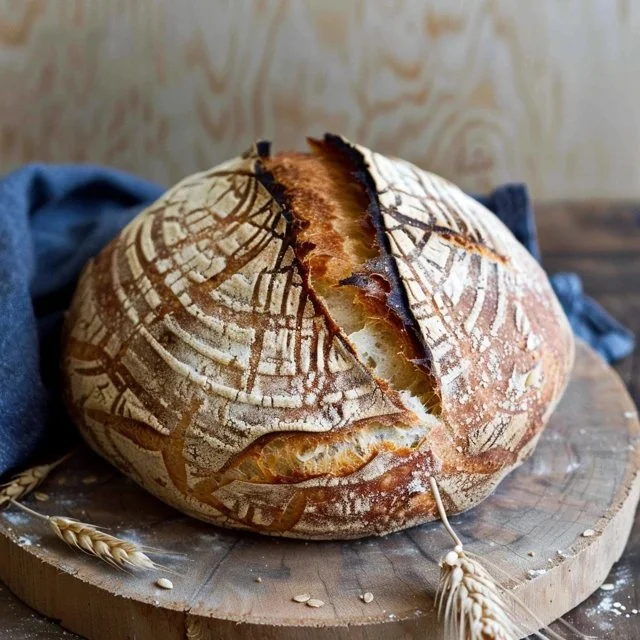
Making bread at home can be a comforting and satisfying experience. The joy of kneading the dough, waiting for it to rise, and the aroma that fills your kitchen is truly special. This sourdough bread recipe is perfect for those weeknights when you want something cozy, or on weekends when you have more time to enjoy the process. It fits beautifully into daily life, whether you’re enjoying a quiet moment alone or sharing it with friends and family. Let’s dive into this straightforward recipe that invites you into the world of baking.
Why You’ll Love This Beginner Sourdough Bread Recipe
This sourdough bread recipe is both simple and dependable, making it a wonderful addition to your baking routine. The balanced flavor and comforting texture provide a warm and inviting loaf that pairs well with many meals. You’ll appreciate the ease of following this process, which yields delightful results you can enjoy every day.
Kitchen Tools You’ll Need
- Mixing bowl
- Kitchen scale
- Bench scraper
- Proofing basket
- Dutch oven or baking stone
Ingredients
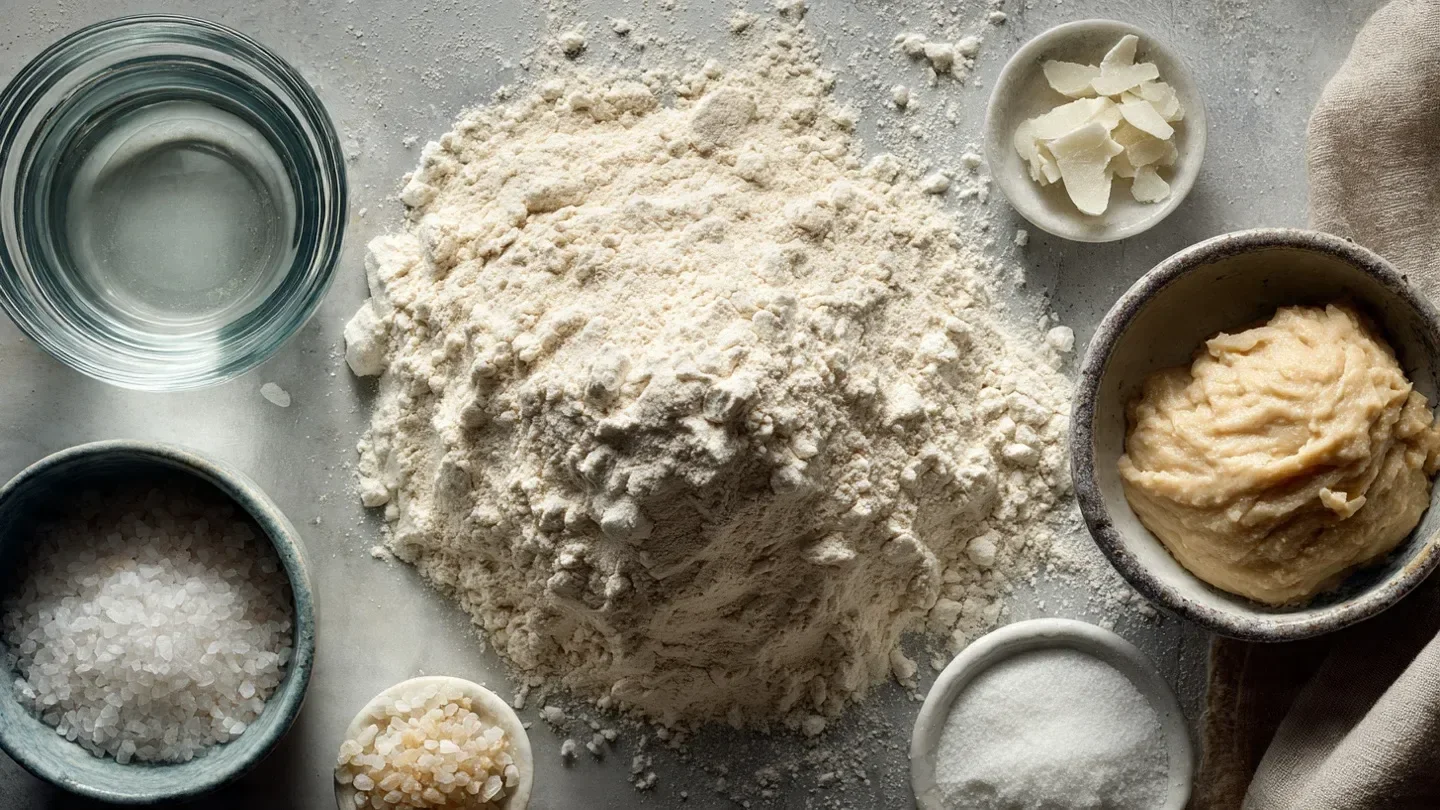
- 600 g bread flour (provides structure and chewiness)
- 420 g water (aids in hydration and dough development)
- 100 g sourdough starter (for natural leavening)
- 15 g salt (enhances flavor and strengthens dough)
- 25 g sourdough starter (for feeding)
- 50 g flour (for feeding)
- 50 g water (for feeding)
How to Make Beginner Sourdough Bread Recipe
Step 1. Begin by combining the bread flour and water in a large mixing bowl. Use a spatula or your hand to mix until a rough dough forms. The mixture will be shaggy at this stage, but keep going until there are no dry flour pockets left. This initial mixing helps hydrate the flour, setting the groundwork for gluten development.
Step 2. Once the dough is well mixed, allow it to rest for about 30 minutes. This process, known as autolyse, permits the flour to absorb water fully. You’ll notice the dough begins to soften and slightly enlarge. This rest is crucial for proper gluten formation and will contribute to the bread’s final texture.
Step 3. Add the sourdough starter and salt to the dough. Distribute the salt evenly and incorporate the starter by pinching and folding the dough over itself. You should aim for an even mixture without any dry salt remaining, ensuring the dough is well-seasoned. This step adds flavor and aids in fermentation.
Step 4. After mixing in the starter and salt, cover the bowl with a damp cloth and let the dough rise in a warm location for about 4-6 hours. During this time, you can perform stretch and folds every 30 minutes for the first two hours. This technique strengthens the dough and promotes gluten development while allowing fermentation to occur.
Step 5. Once the dough has risen significantly and has a slightly bubbly surface, it’s time to shape it. Lightly flour your work surface and turn the dough out onto it. Gently pat it into a rectangle, then fold the edges toward the center, rotating it as you go to form a taut round. This shapes the dough while maintaining its gas bubbles, which contribute to the airy crumb.
Step 6. After shaping, place the dough seam-side down into a lightly floured proofing basket. Cover it again and let it rest for another 2-4 hours at room temperature or up to overnight in the refrigerator. A longer cold fermentation helps develop more complex flavors and improves the crust color.
Step 7. When it’s nearly time to bake, preheat your oven to 450°F. If using a Dutch oven, place it inside to heat up as well. This preheating is essential for achieving a crispy crust. The heat from the Dutch oven simulates a steam oven, creating an environment that encourages oven spring.
Step 8. Carefully remove the hot Dutch oven, and gently turn the dough out onto parchment paper. Score the top with a sharp blade, which allows steam to escape during baking and prevents the loaf from cracking. Lower the parchment with the dough into the Dutch oven, cover with the lid, and bake for 30 minutes.
Step 9. After 30 minutes, remove the lid to reveal a golden-brown loaf. Continue baking uncovered for another 15-20 minutes until the crust reaches a deep color. This step enhances the crust’s aroma and flavor while allowing the interior to cook through, creating that sought-after chewy texture.
Step 10. Once the bread is done, transfer it to a wire rack to cool completely. This cooling phase is important for setting the crumb and retaining moisture. Cutting into the bread while it’s still hot can result in a gummy texture, so give it ample time to rest, allowing the flavors to meld.
Serving Suggestions
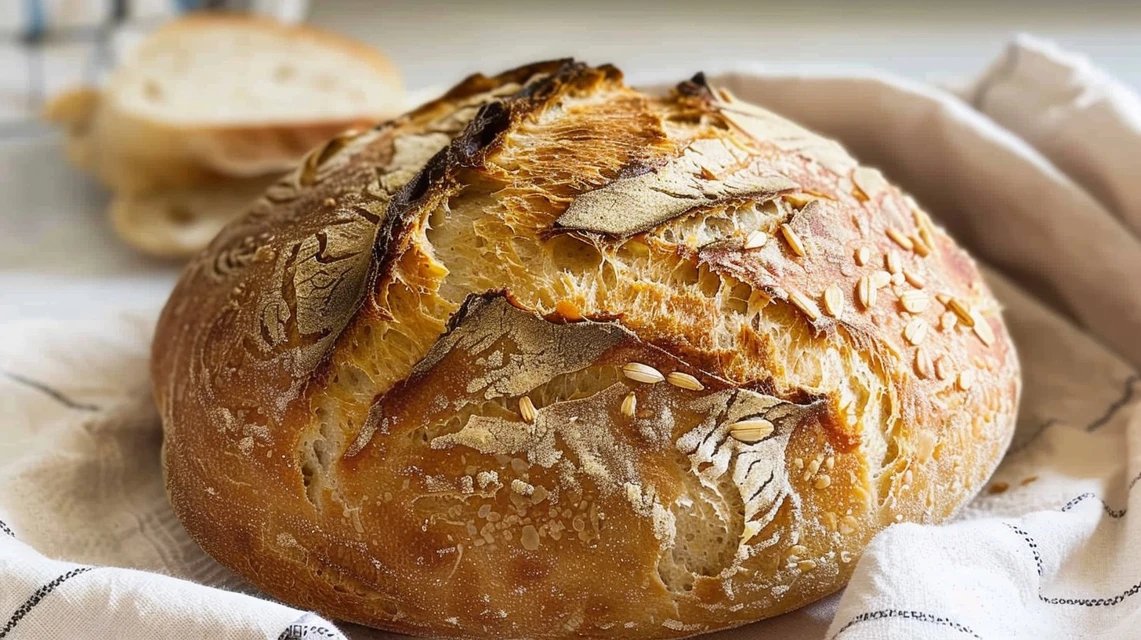
This sourdough bread is incredibly versatile and can be enjoyed in various ways. Slice it for breakfast, perhaps with a little butter or jam. It makes a lovely sandwich base for your favorite lunch meats and cheeses or can be toasted for a satisfying afternoon snack. As a family staple, it fits seamlessly at the dinner table, alongside hearty soups or salads. Have leftovers? Use them to create tasty breadcrumbs or a savory bread pudding.
Pro Tips for Best Results
- Ensure your sourdough starter is active and bubbly before baking. This guarantees proper fermentation.
- Maintain the right temperature during the rise for optimal flavor development.
- Be patient during each proofing phase; a longer rise often leads to better flavor.
- Experiment with your oven’s temperature if your crust isn’t browning as you like.
- Use a kitchen scale for precise measurements, as consistency is key to successful baking.
Common Mistakes to Avoid
- Using inactive sourdough starter: If your starter isn’t bubbly or has been in the fridge too long, your bread won’t rise properly. Always use a refreshed starter.
- Skipping the autolyse: This step is crucial for gluten development. Without it, you may end up with dense bread that lacks structure.
- Under or over-proofing the dough: Not allowing the dough to rise long enough results in a flat loaf, while over-proofing causes it to collapse. Watch for visual cues and bubbles in the dough.
- Not scoring the dough: Failing to score can lead to uneven baker’s yeast expansion as it bakes, possibly causing cracks. Scoring helps direct where the dough can expand.
- Cutting the bread too early: Slicing into hot bread can yield a gummy interior. Wait until it has cooled completely for the best texture.
- Not preheating the oven properly: Baking in a cold oven means the bread won’t rise as it should at first. Always preheat the oven to create the right baking environment.
Variations & Substitutions
While this is a classic sourdough recipe, you can play with it. Consider adding herbs or spices for unique flavors. You might also incorporate seeds or grains into the dough for added texture. Feel free to experiment with different flours in small amounts, but keep the main structure from the bread flour.
Storage & Reheating
Sourdough bread can be stored at room temperature for up to 3 days. Keep it in a paper bag or bread box to maintain freshness. For longer storage, it can be placed in the refrigerator for about a week or frozen for up to three months. When ready to use, thaw it at room temperature, then reheat in a 350°F oven for about 10 minutes to restore its crusty exterior.
Frequently Asked Questions
Can I make this recipe ahead of time?
Yes, you can prepare the dough and place it in the refrigerator for a slower rise. This enhances flavor and allows for a convenient baking schedule.
How long does it last in the fridge?
This sourdough bread can last about a week in the refrigerator, although it’s best consumed within a few days for optimal freshness and flavor.
Can I freeze this recipe?
Absolutely. To freeze, wrap the bread tightly in plastic wrap and then in aluminum foil. It will maintain quality for up to three months when frozen.
What can I substitute for one ingredient?
While it’s best to stick closely to the recipe, if you’re out of bread flour, you can experiment with all-purpose flour, but the texture may differ slightly.
Why didn’t my recipe turn out as expected?
If your bread didn’t rise, it may be due to an inactive starter or inconsistent temperatures during proofing. Paying attention to these details can help achieve the results you desire.
Final Thoughts
Baking sourdough bread offers a rewarding learning experience that produces a wholesome loaf. With its delightful taste and texture, this bread fits perfectly into every meal and occasion. Enjoy the process and remember that each attempt brings you closer to delicious results. Happy baking!
Sourdough Bread
Ingredients
For the dough
- 600 g 600 g bread flour Provides structure and chewiness.
- 420 g 420 g water Aids in hydration and dough development.
- 100 g 100 g sourdough starter For natural leavening.
- 15 g 15 g salt Enhances flavor and strengthens dough.
For feeding the starter
- 25 g 25 g sourdough starter For maintaining the starter.
- 50 g 50 g flour For maintaining the starter.
- 50 g 50 g water For maintaining the starter.
Instructions
Preparation
- Combine the bread flour and water in a large mixing bowl. Mix until a rough, shaggy dough forms.
- Allow the dough to rest for about 30 minutes (autolyse) to help hydrate the flour.
- Add the sourdough starter and salt to the dough. Pinch and fold to ensure an even mixture.
- Cover the bowl with a damp cloth and let the dough rise for about 4-6 hours.
Shaping
- Lightly flour your work surface and turn the dough out onto it. Pat it into a rectangle and fold the edges to the center to shape it.
- Place the dough seam-side down into a lightly floured proofing basket, cover it, and let it rest for 2-4 hours or up to overnight in the refrigerator.
Baking
- Preheat your oven to 450°F and place the Dutch oven inside to heat.
- Turn the dough out onto parchment paper and score the top with a sharp blade.
- Lower the parchment with the dough into the Dutch oven, cover with the lid, and bake for 30 minutes.
- Remove the lid and bake for another 15-20 minutes until golden brown.
- Transfer the bread to a wire rack to cool completely.