
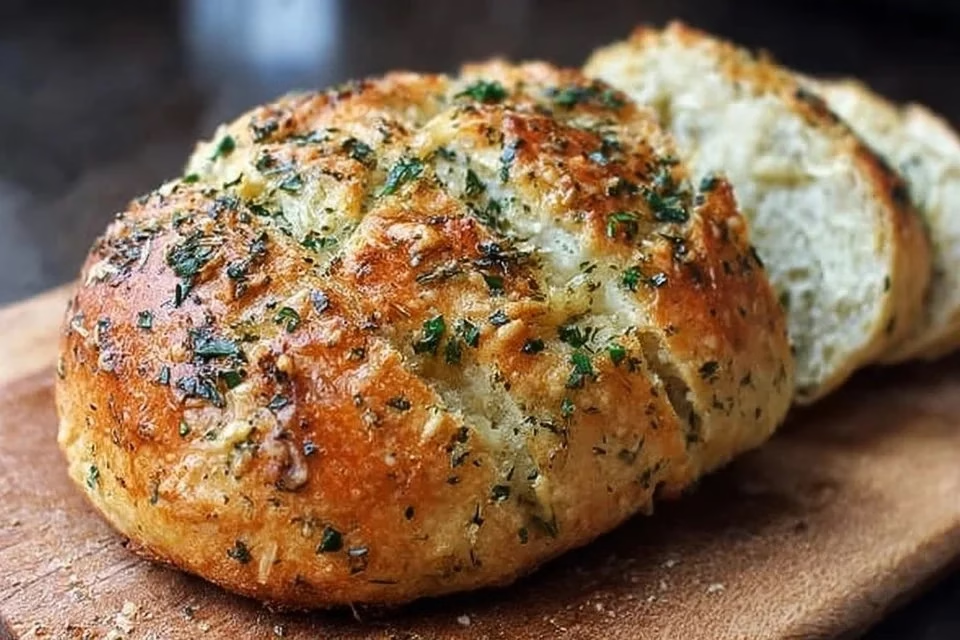
Making a loaf of bread at home can feel like a comforting ritual, inviting warmth and good smells into your kitchen. This Garlic Parmesan Herb Bread is simple enough for any weeknight and delightful for gatherings. With its rich flavors and cozy texture, it’s a wonderful addition to family meals or a quiet weekend brunch. It’s practical and rewarding to create a homemade treat that can accompany almost any dish or even stand alone as a snack.
Why You’ll Love This Recipe Garlic Parmesan Herb Bread
This recipe is approachable, blending ease and reliability with comforting, balanced flavors. The addition of garlic and Parmesan contributes a depth of taste, while the herbs add a fresh note. It’s a flexible recipe, perfect for a variety of occasions, making it a great choice for everyday cooking. The straightforward process means you can enjoy the satisfaction of homemade bread without unnecessary fuss.
Kitchen Tools You’ll Need
- Mixing bowl
- Measuring cups
- Measuring spoons
- Wooden spoon or spatula
- Baking sheet
- Parchment paper (optional)
Ingredients
- 3 cups all-purpose flour (structure, texture)
- 1 packet (2 1/4 teaspoons) active dry yeast (leavening agent)
- 1 teaspoon sugar (feeds the yeast)
- 1 teaspoon salt (flavor and strength)
- 1 cup warm water (activates yeast)
- 2 tablespoons olive oil (moisture, flavor)
- 4 cloves garlic, minced (flavor)
- 1/2 cup grated Parmesan cheese (richness, flavor)
- 1 tablespoon dried Italian herbs (such as oregano, basil, and thyme) (aroma, flavor)
- 1/4 cup fresh parsley, chopped (freshness, color)

How to Make Garlic Parmesan Herb Bread
Step 1. Start by combining the warm water, sugar, and active dry yeast in a mixing bowl. Stir gently and let it rest for about 5 to 10 minutes. You’re looking for bubbles or foam on the surface, indicating that the yeast is activated and ready for use.
Step 2. In a separate bowl, mix the flour, salt, and dried Italian herbs together. This distribution helps to evenly flavor the bread while providing structure.
Step 3. Once the yeast mixture is bubbly, add the olive oil and gradually stir in the flour mixture. Combine everything until a shaggy dough forms, ensuring there are no dry pockets of flour left.
Step 4. Turn the dough out onto a lightly floured surface and knead it for about 8 to 10 minutes. You want the dough to become smooth and elastic, which is a sign that it’s ready for rising.
Step 5. Shape the kneaded dough into a ball and place it in a lightly oiled bowl, turning it to coat the surface. Cover it with a clean kitchen towel and let it rise in a warm spot until it doubles in size, usually about 1 to 2 hours.
Step 6. While the dough is rising, prepare the garlic by mincing it finely and chopping the fresh parsley. The fragrance of the garlic will enrich the bread, adding a savory element.
Step 7. Once the dough has risen adequately, punch it down to release any air bubbles. Fold in the minced garlic, chopped parsley, and grated Parmesan cheese, incorporating these for flavor and texture.
Step 8. Shape the dough into a loaf or divide it into smaller pieces, depending on your preference. Place it on a baking sheet lined with parchment paper, allowing it to rest for another 20 to 30 minutes.
Step 9. Preheat your oven while the dough is resting. You want to ensure it’s hot enough to produce a nice crust. Give the dough one last gentle stretch or shape before baking.
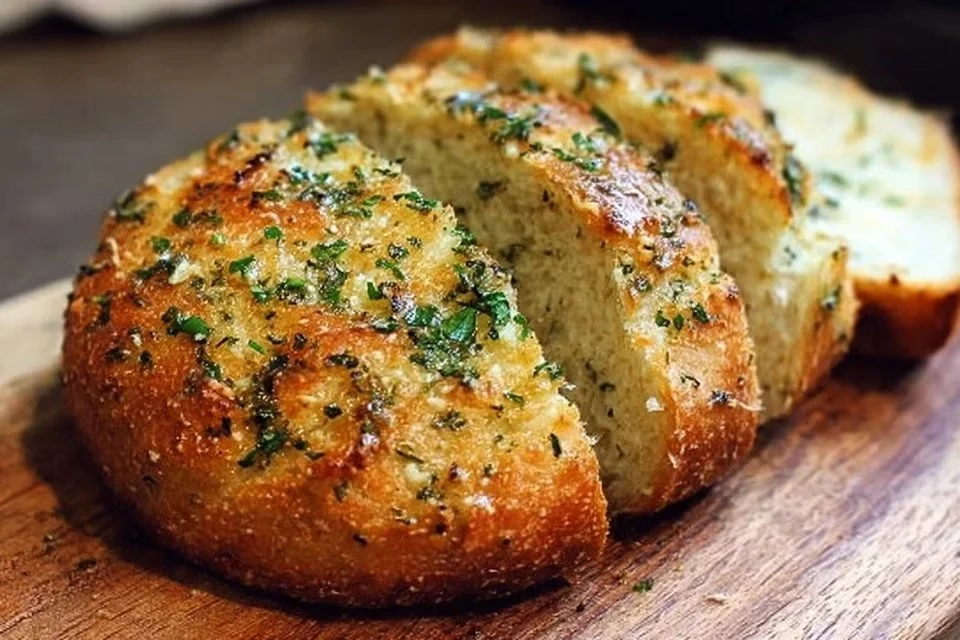
Step 10. Bake the bread in the preheated oven until it turns a golden-brown color and sounds hollow when tapped on the bottom. This visual cue signals that it’s fully cooked and ready to be enjoyed.
Serving Suggestions
This Garlic Parmesan Herb Bread is versatile enough to enjoy at various times. It makes a great companion to breakfast alongside eggs or avocado. For a snack, serve it warm with butter or a light spread of cream cheese. It also fits well into family meals, pairing nicely with soups or salads. If you have leftovers, relish them toasted with a touch of olive oil or as a base for garlic bread.
Pro Tips for Best Results
- Make sure your water is warm but not hot to the touch, as too much heat can kill the yeast.
- Knead thoroughly until the dough is smooth for the best texture.
- Allow enough time for the dough to rise; patience is key to achieving a light, fluffy bread.
- Experiment with different herbs or cheeses to customize the flavor.
- If using fresh herbs, chop them finely to ensure even distribution.
Common Mistakes to Avoid
- Using cold water – This can prevent the yeast from activating properly and result in a dense bread. Always ensure the water is warm enough to awaken the yeast effectively.
- Not kneading enough – Under-kneading can lead to a heavy texture. Ensure the dough is smooth and elastic for the best results.
- Skipping the first rise – This step is essential for developing flavor and texture. Skipping it can result in a bread that lacks structure.
- Adding too much flour – It’s easy to over-flour during kneading. The dough should be slightly tacky; adding too much flour can yield a dry final product.
- Not testing for doneness – Pulling the bread out of the oven too soon can lead to a gummy texture. It should be golden and sound hollow when tapped underneath.
- Rushing the rising process – If you don’t give the dough adequate time to rise, the bread won’t achieve its airy texture. Allow it to double in size for best results.
Variations & Substitutions
Consider incorporating different spices, like red pepper flakes for heat or a dash of paprika for warmth. You could exchange the Parmesan cheese for another hard cheese, like Pecorino, for a sharper flavor. Alternatively, you can add olives or sun-dried tomatoes for a more Mediterranean flair.
Storage & Reheating
Store any leftover bread at room temperature, wrapped in a clean kitchen towel or in a bread bag for up to two days. If you wish to store it longer, consider placing it in the refrigerator, where it can last for about a week. For longer-term storage, freezing is an option; wrap the bread tightly in plastic wrap and aluminum foil. To maintain the bread’s texture, reheat it in the oven rather than the microwave, ensuring it stays crusty.
Frequently Asked Questions
Can I make this recipe ahead of time?
Yes, you can prepare the dough and let it rise in the refrigerator overnight. Just return it to room temperature and allow it to rise again before shaping and baking.
How long does it last in the fridge?
After baking, the bread can last up to a week in the refrigerator when stored properly. Wrap it to keep it fresh and prevent it from drying out.
Can I freeze this recipe?
Absolutely. You can freeze the bread after baking. Just ensure it’s well-wrapped to prevent freezer burn and consume it within three months for the best quality.
What can I substitute for one ingredient?
If you don’t have Parmesan cheese on hand, you can use a similar hard cheese like Grana Padano or aged Gouda for a slightly different taste while maintaining a similar texture.
Why didn’t my recipe turn out as expected?
Common reasons might be improper yeast activation, not kneading enough, or insufficient rising time. Ensuring accurate measurements and giving the dough enough time can help achieve the expected results.
Final Thoughts
Baking Garlic Parmesan Herb Bread is a straightforward, fulfilling experience, resulting in a loaf that invites everyone to gather around the table. The aroma of garlic and herbs as it bakes creates a lovely sense of home. It’s a recipe that offers both simplicity and comfort, bringing warmth to any moment you choose to enjoy it. With each slice, you’re reminded of the joys of home cooking.
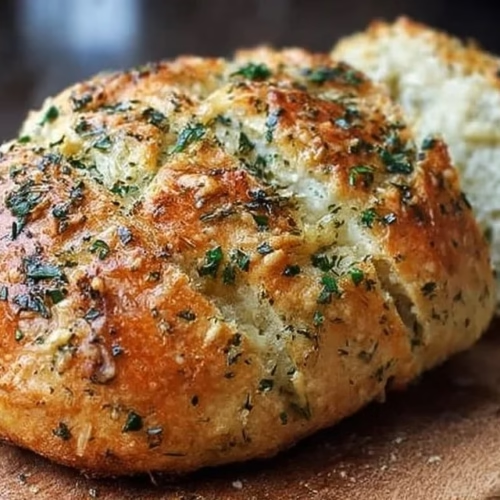
Garlic Parmesan Herb Bread
Ingredients
For the bread
- 3 cups all-purpose flour Structure, texture
- 1 packet active dry yeast (2 1/4 teaspoons), leavening agent
- 1 teaspoon sugar Feeds the yeast
- 1 teaspoon salt Flavor and strength
- 1 cup warm water Activates yeast
- 2 tablespoons olive oil Moisture, flavor
- 4 cloves garlic, minced Flavor
- 1/2 cup grated Parmesan cheese Richness, flavor
- 1 tablespoon dried Italian herbs (such as oregano, basil, thyme), aroma, flavor
- 1/4 cup fresh parsley, chopped Freshness, color
Instructions
Preparation
- Combine the warm water, sugar, and active dry yeast in a mixing bowl. Stir gently and let it rest for about 5 to 10 minutes until bubbly.
- Mix the flour, salt, and dried Italian herbs in a separate bowl.
- Once the yeast mixture is bubbly, add the olive oil and gradually stir in the flour mixture until a shaggy dough forms.
- Turn the dough out onto a lightly floured surface and knead for about 8 to 10 minutes until smooth and elastic.
- Shape the kneaded dough into a ball and place it in a lightly oiled bowl, cover with a kitchen towel, and let it rise in a warm spot until doubled in size, about 1 to 2 hours.
- Prepare the garlic and parsley while the dough rises.
- Punch down the risen dough, fold in the minced garlic, chopped parsley, and grated Parmesan cheese.
- Shape the dough into a loaf or divide into smaller pieces, place on a baking sheet lined with parchment paper, and let rest for another 20 to 30 minutes.
- Preheat your oven while the dough is resting.
- Bake the bread until golden brown and sounds hollow when tapped, about 30 minutes.