


Baking bread is often a satisfying experience that brings both warmth and comfort to a home. This recipe produces rustic rosemary sourdough bread that is perfect for weeknight dinners, weekend brunches, or gatherings with friends. Each slice offers a delightful balance of flavors, with the herb providing a subtle enhancement that complements the sourdough base beautifully. It’s a simple recipe that showcases the joy of homemade bread without overwhelming complexity. Let’s get started—your kitchen is about to smell fantastic.
Why You’ll Love This Recipe Rustic Rosemary Sourdough Bread
This rustic rosemary sourdough bread shines with its ease and reliability, making it a staple in any home cook’s repertoire. The balanced flavor—where the tanginess of the sourdough meets the earthy aroma of rosemary—delivers comfort with every bite. Given its practical everyday value, this bread serves well during family meals or quiet moments at home, allowing you to enjoy the simple pleasures of good food.
Kitchen Tools You’ll Need
- Mixing bowl
- Dough scraper
- Proofing basket
- Baking stone (optional)
- Sharp knife or blade for scoring
Ingredients
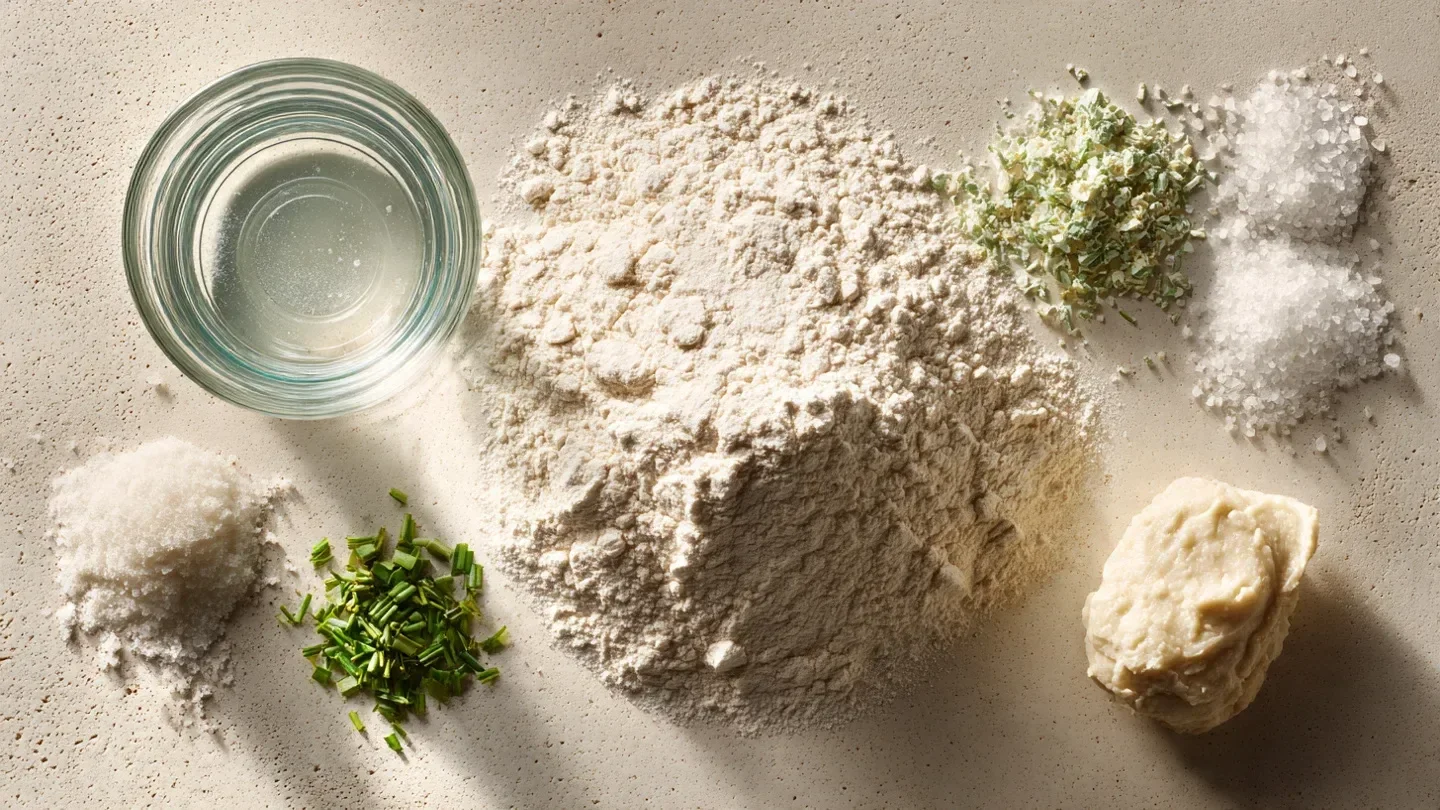
- 500 grams Organic Bread Flour (provides structure)
- 300 grams Water (hydrates the dough)
- 100 grams Sourdough Starter (introduces natural fermentation)
- 10–15 grams Sea Salt (enhances flavor)
- 1 tablespoon fresh rosemary, finely chopped (adds herbal aroma)
How to Make Rustic Rosemary Sourdough Bread
Step 1. Begin by mixing the bread flour and water in a mixing bowl. Use your hands or a spatula to combine until there are no dry bits left. The dough should feel somewhat sticky and cohesive. Allow it to rest for about 30 minutes. This period, known as autolyse, helps to develop the flour’s gluten, resulting in a better texture.
Step 2. After the dough has rested, add the sourdough starter and sea salt. Gently fold these ingredients into the dough using your fingers or a dough scraper. Ensure the starter and salt are well incorporated, and the dough feels smooth. You’ll know it’s blended when the texture begins to come together nicely.
Step 3. Transfer the dough to a floured surface and begin the kneading process. Knead the dough for about 10-15 minutes until it becomes elastic and smooth. It should be slightly tacky but not overly sticky. Decide it’s done when it stretches without tearing, forming a cohesive ball.
Step 4. Place the kneaded dough into a lightly greased bowl and cover it with a damp cloth. Let it rise until it has doubled in size, which could take 4-6 hours depending on your room temperature and the activity of your sourdough starter.
Step 5. Once the dough has risen adequately, gently deflate it on a floured work surface. Shape it into a round loaf. This process involves stretching the dough and tucking the edges toward the center to create surface tension. You’ll notice it starts to hold its shape better as you work.
Step 6. After shaping, place the dough into a proofing basket (or a bowl lined with floured cloth) for its second rise. Cover it gently with a cloth and allow it to rise again for about 1-2 hours, or until it has noticeably puffed up. It should feel light when you gently poke it.
Step 7. Preheat your oven to a high temperature, around 450°F, and place a baking stone inside if you have one. While the oven heats, prepare for baking by scoring the top of the dough with a sharp knife or blade. This allows the bread to expand properly while baking, keeping its shape.
Step 8. Transfer the loaf onto the preheated stone or a baking sheet. Pour a bit of water into a pan at the bottom of the oven to create steam, which helps develop a nice crust. Bake the bread for approximately 30-40 minutes, until it turns a deep golden brown and sounds hollow when tapped on the bottom.
Step 9. Once baked, remove the bread from the oven and let it cool on a wire rack. This cooling process takes about an hour, allowing the interior to set and the flavors to develop fully. You can tell it’s ready to slice when it feels firm to the touch and has a lovely aroma.

Serving Suggestions
This rustic rosemary sourdough bread is incredibly versatile. It can be enjoyed warm for breakfast, perhaps with a spread of butter or a drizzle of honey. For snacks, pair it with cheese or a hearty soup. At family meals, serve it alongside robust dishes, allowing the bread to soak up any flavorful sauces. Don’t hesitate to enjoy leftovers; simply reheat or toast slices for a delightful touch any time of day.
Pro Tips for Best Results
- Allow your sourdough starter to be well-fed and active before baking for optimal rise.
- Maintain a consistent warm environment for your dough during both rises, aiming for room temperature.
- Use a kitchen scale to measure your ingredients for accuracy and best results.
- Make sure your baking stone or sheet is preheated to ensure a good crust development.
- Experiment with the fermentation time based on your schedule; longer may enhance flavor.
Common Mistakes to Avoid
- Skipping the Autolyse: Omitting this step can lead to a dough that lacks gluten development, making it dense. Always allow the flour and water to mix and rest.
- Overworking the Dough: Kneading too much can make the bread tough. Aim for a smooth, elastic texture; if it stretches without tearing, it’s just right.
- Underproofing: If the dough hasn’t risen enough, the finished bread may be gummy. Monitor the dough’s volume and look for a light and airy structure before baking.
- Too Much Flour: Adding excess flour while shaping can harden the dough. Flour should only be used lightly to prevent it from sticking during handling.
- Insufficient Scoring: If you don’t score the loaf, it might burst unexpectedly while baking. Always cut a shallow slash to allow for even expansion.
- Neglecting Cool Time: Slicing the bread too early can result in a gummy texture. Patience is key; let it cool to set its structure.
Variations & Substitutions
While this recipe focuses on rosemary, consider swapping in dried herbs like oregano or thyme for a different flavor profile. You might also add garlic powder for an additional aromatic touch. To experiment with texture, a mix of whole wheat flour can provide a nuttier flavor. Keep in mind any changes could slightly alter baking times or dough hydration.
Storage & Reheating
Store any leftover rustic rosemary sourdough bread in a paper bag at room temperature for up to two days. For longer storage, wrap it tightly in plastic or foil and place it in the refrigerator for up to a week. If you’d like to freeze it, slice the bread first and store it in a freezer-safe bag; it can last up to three months. To reheat, simply pop the slices in a toaster or warm them briefly in an oven.
Frequently Asked Questions
Can I make this recipe ahead of time?
Yes, you can prepare the dough a day in advance. After the first rise, transfer it to the refrigerator for slow fermentation, which can enhance the flavor. Let it come to room temperature before shaping and proceeding with the second rise.
How long does it last in the fridge?
When stored in an airtight container or bag, this bread can last for about a week in the refrigerator. Ensure it’s well-wrapped to prevent it from drying out.
Can I freeze this recipe?
Yes, freezing is a great option. After slicing, store the pieces in an airtight bag. You can enjoy them thawed at room temperature or toasted directly from the freezer.
What can I substitute for one ingredient?
If you don’t have fresh rosemary, dried herbs can be used. Start with half the amount of dried rosemary, as it is more concentrated. Ensure the dough remains balanced with the other ingredients.
Why didn’t my recipe turn out as expected?
Many factors can affect results, including starter activity, room temperature, and kneading time. If the dough did not rise, check the freshness of your sourdough starter or allow more time for fermentation.
Final Thoughts
Making rustic rosemary sourdough bread is an enjoyable and fulfilling process that fills your home with inviting aromas. With its crusty exterior and chewy interior, this bread is perfect for a variety of meals, adding a comforting touch to everyday life. Remember, every time you bake, you’re learning and improving, so don’t worry too much about perfection. Embrace the experience—it’s all part of the joy of cooking.

Rustic Rosemary Sourdough Bread
Ingredients
Bread Ingredients
- 500 grams Organic Bread Flour provides structure
- 300 grams Water hydrates the dough
- 100 grams Sourdough Starter introduces natural fermentation
- 10-15 grams Sea Salt enhances flavor
- 1 tablespoon fresh rosemary, finely chopped adds herbal aroma
Instructions
Preparation
- Mix the bread flour and water in a mixing bowl until there are no dry bits left. The dough should feel somewhat sticky and cohesive. Allow it to rest for about 30 minutes.
- After the dough has rested, add the sourdough starter and sea salt. Gently fold these ingredients into the dough using your fingers or a dough scraper until well incorporated.
- Transfer the dough to a floured surface and knead for about 10-15 minutes until it becomes elastic and smooth.
- Place the kneaded dough into a lightly greased bowl, cover it with a damp cloth, and let it rise until it has doubled in size, which could take 4-6 hours.
- Once risen, gently deflate the dough and shape it into a round loaf.
- Place the shaped dough into a proofing basket and cover it gently with a cloth. Allow it to rise again for about 1-2 hours.
- Preheat your oven to 450°F, placing a baking stone inside if available. Score the top of the dough with a sharp knife.
- Transfer the loaf onto the preheated stone or a baking sheet. Pour water into a pan at the bottom of the oven to create steam, and bake for approximately 30-40 minutes.
- Once baked, remove the bread from the oven and let it cool on a wire rack for about an hour.