
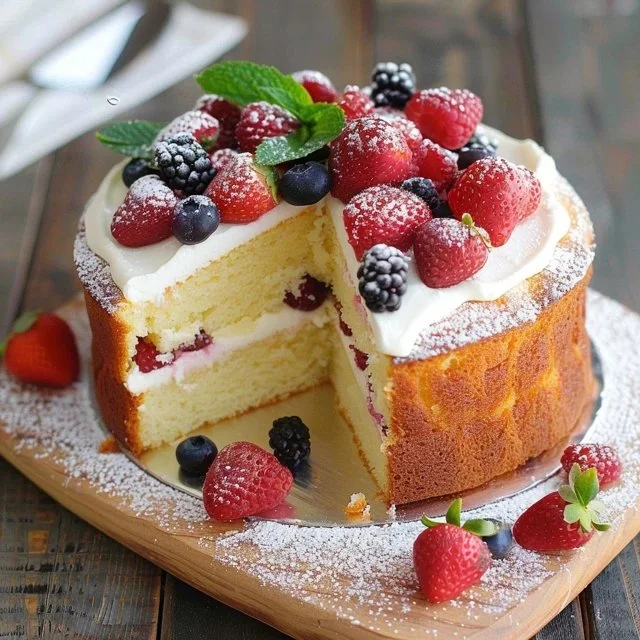
There are times when a simple dessert can make the day feel a little brighter—like a quiet moment after a long day or a relaxed weekend brunch with family. This Low Calorie Vanilla Cake with Greek Yogurt comes together effortlessly, providing a comforting slice that feels right for any occasion. With a balance of moisture from the yogurt and a light texture from almond flour, this cake is a satisfying treat, perfect for gatherings or just enjoying at home. Let’s step into the kitchen and see how this all unfolds.
Why You’ll Love This Low Calorie Vanilla Cake with Greek Yogurt
This Low Calorie Vanilla Cake with Greek Yogurt showcases ease and reliability, making it an ideal choice for everyday baking. The balanced flavor offers a comforting sweetness without unnecessary richness. With its practical ingredients, this recipe is perfect for those seeking a light yet satisfying dessert option that can fit into various routines.
Kitchen Tools You’ll Need
- Mixing bowl
- Whisk or fork
- Measuring cups and spoons
- Baking pan
Ingredients
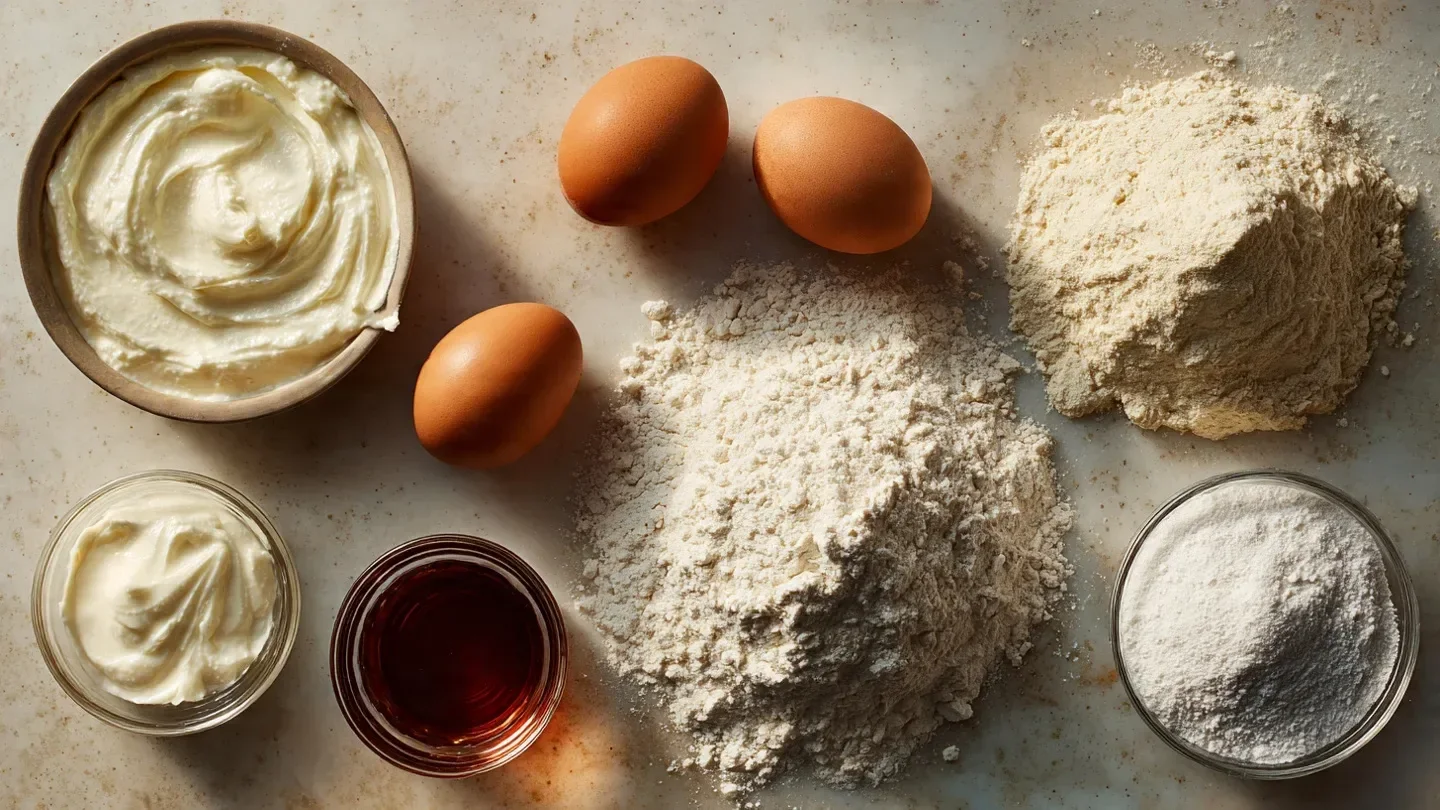
- 200 g Greek yogurt (adds moisture and a slight tang)
- 3 eggs (binds the ingredients and contributes to texture)
- 120 g almond flour (provides a light, nutty flavor)
- 80 g powdered erythritol (offers sweetness without calories)
- 1 tsp vanilla extract (enhances overall flavor)
- 1 tsp baking powder (helps the cake rise)
How to Make Low Calorie Vanilla Cake with Greek Yogurt
Step 1. Begin by gathering all your ingredients in one place. This helps streamline the process and makes it easier to combine them later. Measuring out the Greek yogurt, eggs, almond flour, powdered erythritol, vanilla extract, and baking powder will prepare you for the next steps.
Step 2. In a mixing bowl, combine the Greek yogurt and eggs. Use a whisk or fork to blend these ingredients well until they are smooth and fully integrated. You want the mixture to have a consistent texture, with no lumps remaining. This step is crucial for creating a fluffy cake.
Step 3. Gradually add the almond flour and powdered erythritol to the yogurt and egg mixture. Stir gently as you incorporate these dry ingredients, ensuring that you don’t overmix. The goal here is to have a uniform batter, and you’ll notice it start to thicken as the almond flour absorbs moisture.
Step 4. Sprinkle in the baking powder and vanilla extract. These will enhance the cake’s flavor and help with its rise. Continue folding the mixture until all ingredients are evenly combined. The batter should feel slightly thick but still pourable.
Step 5. Preheat your oven to the temperature specified in your instructions. While the oven is heating, prepare your baking pan by lightly greasing it or lining it with parchment paper. Proper preparation here prevents sticking and ensures easier cleanup once baked.
Step 6. Pour the batter into the prepared baking pan, spreading it out evenly. You can use a spatula to help achieve a smooth top. At this stage, it’s important to ensure that the batter fills the pan appropriately to ensure even baking.
Step 7. Once your oven is ready, place the baking pan inside. Bake until the cake has risen and is lightly golden on top. You may want to check for doneness by inserting a toothpick into the center, which should come out clean when the cake is ready.
Step 8. Allow the cake to cool in the pan for a few minutes before transferring it to a wire rack. This will help set its structure. Let it cool completely before slicing, which will enhance the texture and make the flavors meld together nicely.
Serving Suggestions
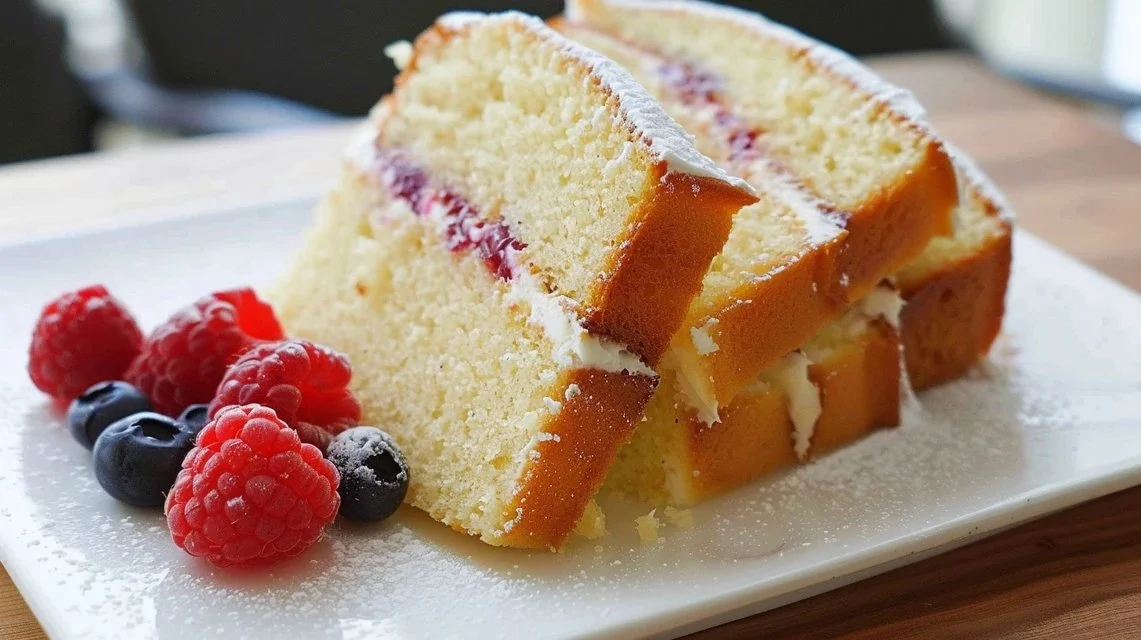
This Low Calorie Vanilla Cake with Greek Yogurt shines in various scenarios. Enjoy it for breakfast, perhaps with a light spread of almond butter or fresh fruit alongside it. As an afternoon snack, it pairs well with a cup of tea or coffee. Family meals can include a slice for dessert, and any leftovers can be easily stored to relish on another day. The versatility of this cake makes it a fantastic choice for different moments.
Pro Tips for Best Results
- Ensure your Greek yogurt is at room temperature for better blending.
- Avoid overmixing the batter to maintain a light and fluffy texture.
- Use a toothpick to check for doneness; it should come out clean when the cake is ready.
- Allow the cake to cool completely before slicing to achieve clean edges.
- For a slightly denser cake, consider using less baking powder.
Common Mistakes to Avoid
- Not using room temperature ingredients: Using cold eggs or yogurt can lead to a lumpy batter. Always let them sit out before mixing.
- Overmixing the batter: This can result in a tough cake. Mix until just combined for the best texture.
- Skipping the cooling step: Cutting into a hot cake can affect texture and crumb. Always let it cool properly.
- Not checking for doneness: Relying solely on time can lead to underbaked or overbaked cake. Always perform the toothpick test.
- Using the wrong-sized baking pan: An incorrect pan size can impact baking time and cake structure. Make sure to use the specified size.
- Not measuring ingredients accurately: Precision is key in baking. Use a kitchen scale or proper measuring cups for best results.
Variations & Substitutions
For a twist, you might consider adding a teaspoon of almond extract instead of vanilla for a different flavor profile. You can also mix in a handful of berries or nuts before baking to add textural interest. If you’re looking for a more indulgent touch, a light glaze made from a sugar-free sweetener can be drizzled on top after the cake cools.
Storage & Reheating
Store the cake at room temperature in an airtight container for up to three days. For longer storage, refrigerate it, where it can last about a week. Freezing is also an option; wrap slices tightly in plastic wrap and place them in a freezer-safe container for up to three months. When reheating, a brief stint in the microwave can help regain moisture without compromising texture.
Nutrition Information
- Calories: 150
- Total Fat: 5 g
- Saturated Fat: 0.5 g
- Carbohydrates: 16 g
- Fiber: 3 g
- Sugar: 2 g
- Protein: 8 g
- Sodium: 90 mg
Frequently Asked Questions
Can I make this recipe ahead of time?
Yes, you can make the cake ahead of time. It keeps well for a few days, making it a great option for meal prep or gatherings. Simply store it properly once it has cooled.
How long does it last in the fridge?
In the refrigerator, the cake can last up to a week when stored in an airtight container. This makes it convenient for snacking or enjoying throughout the week.
Can I freeze this recipe?
Freezing is an excellent option. Wrap individual slices in plastic wrap and place them in a sealed container. They can be frozen for up to three months and reheated as needed.
What can I substitute for one ingredient?
If you need to substitute one ingredient, consider using cottage cheese instead of Greek yogurt for a similar texture. Adjusting the sweetener, like using stevia instead of erythritol, can also work without changing the overall outcome significantly.
Why didn’t my recipe turn out as expected?
Common issues can arise from inaccurate measurements, overmixing, or not allowing the cake to cool adequately. Each step is important in achieving the desired outcome, so following them closely is crucial for success.
Final Thoughts
Making this Low Calorie Vanilla Cake with Greek Yogurt is a straightforward way to enjoy a comforting dessert while keeping things light. Each step of the process feels manageable, and the final product offers a lovely balance of flavors. Whether you’re sharing it at a gathering or savoring a slice on your own, this cake reminds us of the simple joy of baking.
Low Calorie Vanilla Cake with Greek Yogurt
Ingredients
Main ingredients
- 200 g Greek yogurt Adds moisture and a slight tang.
- 3 pieces eggs Binds the ingredients and contributes to texture.
- 120 g almond flour Provides a light, nutty flavor.
- 80 g powdered erythritol Offers sweetness without calories.
- 1 tsp vanilla extract Enhances overall flavor.
- 1 tsp baking powder Helps the cake rise.
Instructions
Preparation
- Gather all your ingredients in one place.
- In a mixing bowl, combine the Greek yogurt and eggs, blending until smooth.
- Gradually add the almond flour and powdered erythritol, stirring gently.
- Add the baking powder and vanilla extract, folding until evenly combined.
- Preheat your oven while preparing the baking pan by greasing it.
- Pour the batter into the prepared baking pan, spreading it evenly.
- Bake until lightly golden, checking for doneness with a toothpick.
- Cool the cake in the pan for a few minutes before transferring to a wire rack to cool completely.