

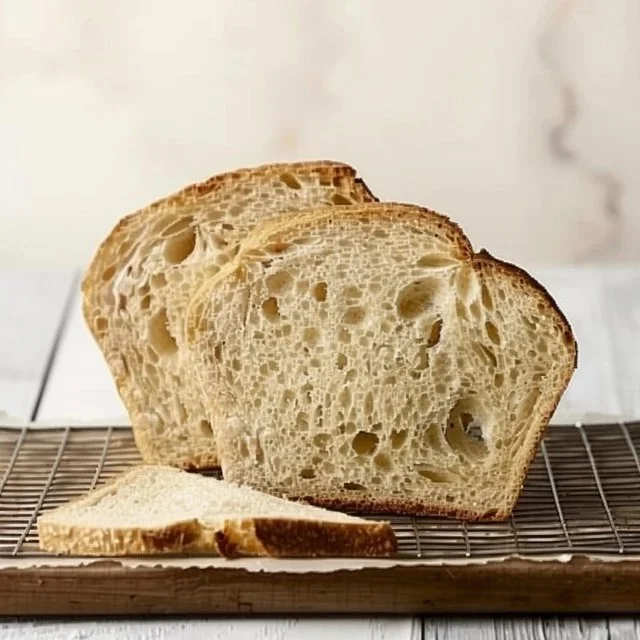
Making bread at home can be a soothing experience, grounded in simple processes that deliver satisfying results. This easy sourdough sandwich bread is perfect for any occasion, whether it’s a busy weeknight dinner or a leisurely weekend brunch. It’s also a wonderful addition to gatherings or those quiet moments when you just want something comforting. The recipe is flexible and practical, allowing you to enjoy homemade bread without unnecessary complications. Let’s dive in and recreate this lovely loaf.
Why You’ll Love This Recipe Easy Sourdough Sandwich Bread
This recipe stands out for its simplicity and dependable results. The combination of butter or coconut oil with honey or sugar creates a comforting flavor profile, while the sourdough starter adds a subtle tang that balances everything beautifully. Easy sourdough sandwich bread is perfect for everyday use, whether for sandwiches, toast, or simply enjoying warm with butter.
Kitchen Tools You’ll Need
- Mixing bowl
- Measuring cups and spoons
- Space for kneading
- Loaf pans
- Clean kitchen towel or plastic wrap
Ingredients
- 1/2 cup butter, softened or coconut oil (provides moisture and richness)
- 2 tablespoons honey or sugar (adds sweetness and aids browning)
- 1 tablespoon salt (enhances flavor and controls yeast activity)
- 1 cup active and bubbly sourdough starter (provides leavening and flavor)
- 2 1/2 cups water (adjusts dough consistency)
- 8 cups all-purpose flour (offers structure and volume)

How to Make Easy Sourdough Sandwich Bread
Step 1. Start by combining the softened butter or coconut oil, honey or sugar, and salt in a mixing bowl. Use a spatula or wooden spoon to blend them properly. Aim for a smooth and cohesive mixture, ensuring the honey or sugar is fully incorporated. The mixture should have a creamy texture, allowing the ingredients to meld together nicely.
Step 2. Next, add the active sourdough starter to the mixture. Stir until it integrates well, achieving a blended consistency. The starter should be bubbly and frothy from previous feedings, indicating it’s ready to create a light, airy bread. Make sure everything is evenly combined without any lumps.
Step 3. Gradually pour in the water while continuing to stir. This will help to soften the mixture and form the foundation of your dough. Look for a smooth and somewhat tacky texture as the water combines with the other ingredients. It’s important to incorporate the water fully to ensure an even dough.
Step 4. Slowly add the all-purpose flour, one cup at a time, into the mixture. Stir thoroughly after each addition to keep the dough cohesive. You want to achieve a thick, slightly sticky consistency that holds together well. This part can be a little messy, but it’s all part of the fun of making bread.
Step 5. Once all the flour is incorporated, consider turning the dough out onto a lightly floured surface for kneading. With your hands, begin to knead the dough for about 10 minutes, folding and pushing it until it becomes smoother and more elastic. Watch for a slight sheen on the surface, which indicates that the gluten is developing properly.
Step 6. After kneading, place the dough into a lightly greased bowl, covering it with a clean kitchen towel or plastic wrap. Let it rise in a warm spot until it has doubled in size. This can take anywhere from an hour to a few hours depending on your room temperature. A good indicator that it’s ready is when you gently press your finger into the dough, and it springs back slowly.
Step 7. Once the dough has risen adequately, punch it down gently to release any air pockets. Turn it out onto a floured surface, and divide it into two portions, shaping each into a loaf. Pay attention to how the dough feels below your hands; it should become taut as you form the loaves.
Step 8. Place the shaped loaves into greased loaf pans and cover them again with a towel. Allow them to rise for another 30-60 minutes. You’ll notice the loaves puffing up again; they should be just about doubled in size when they’re ready to bake.
Step 9. Preheat your oven during the last few minutes of rising. Bake the loaves until they’re golden brown and sound hollow when tapped on the bottom. This visual cue will ensure that they are cooked through. After removing them from the oven, let them cool in the pans for a few minutes before transferring to a wire rack.
Serving Suggestions
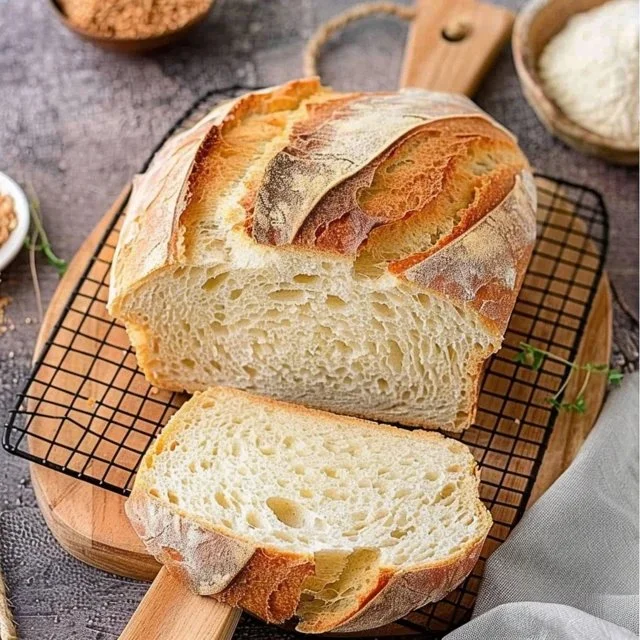
This homemade bread makes a scrumptious addition to breakfast, whether you prefer it as toast topped with butter or jam, or as a base for a hearty sandwich filled with your favorite ingredients. It also works well as a side with soups or salads at family meals. Leftovers can easily be toasted or used to make delicious garlic bread or croutons. The versatility of this sourdough bread ensures it can be enjoyed in various ways throughout the week.
Pro Tips for Best Results
- Keep your sourdough starter active: Make sure your starter is recently fed and bubbly for the best rise and flavor.
- Use room temperature ingredients: These encourage a more uniform dough.
- Don’t rush the rising times: Allowing the dough to rise fully is crucial for texture.
- Keep your work surface slightly floured: This prevents the dough from sticking during kneading.
- Monitor dough hydration: Adjust flour slightly if dough seems too sticky or dry.
- Always tap the loaf: A hollow sound means your bread is baked through.
Common Mistakes to Avoid
- Under-kneading the dough: This leads to denser bread as the gluten isn’t developed enough. Make sure to knead until smooth and elastic.
- Skipping the rise: Not allowing the dough to rise properly will result in flat loaves. Be patient; dough should nearly double in size for optimal texture.
- Adding too much flour: Too much will dry out your bread and affect the texture. Add flour slowly and assess dough consistency as you go.
- Using an inactive starter: An unfed or not bubbly starter won’t provide enough rise. Always check that your starter is active before use.
- Not checking doneness: Tapping the bottom for a hollow sound is vital. Removing bread too early can lead to undercooked centers.
- Cooling in the pan for too long: This can cause the bottom to become soggy. Aim to transfer the bread to a wire rack promptly to cool completely.
Variations & Substitutions
For a different flavor, consider adding seeds like sesame or sunflower for texture and crunch. If you’re looking for a more enriched bread, adding a small amount of milk in place of some water can yield a softer loaf. You may also explore herbs or spices in the dough for added flavor.
Storage & Reheating
Store the bread at room temperature in a paper bag or wrapped in a clean kitchen towel to maintain its crust. For longer storage, place it in a plastic bag in the refrigerator or slice and freeze it for future use. To reheat, gently warm individual slices in a toaster or oven to restore the bread’s texture.
Frequently Asked Questions
Can I make this recipe ahead of time?
Yes, you can prepare the dough and let it rise in the refrigerator overnight. This can enhance the flavor. Just allow it to come to room temperature before shaping and the second rise.
How long does it last in the fridge?
Homemade sourdough bread can last about a week in the fridge if properly stored. It’s best enjoyed fresh but can be used for toasting or sandwiches.
Can I freeze this recipe?
Absolutely! Sourdough bread freezes well. Slice the loaf before freezing to make individual servings convenient. Wrap slices tightly in plastic and store in a freezer bag.
What can I substitute for one ingredient?
For the butter, you can use coconut oil for a dairy-free option. Alternatively, you could use olive oil, though this may alter the flavor slightly.
Why didn’t my recipe turn out as expected?
Common reasons can include an inactive sourdough starter, inaccurate measurements, or not allowing sufficient time for rising. Each of these factors can lead to dense or flat loaves.
Final Thoughts
Making easy sourdough sandwich bread is a rewarding process that fills your kitchen with warmth and the comforting scent of fresh bread. The simple ingredients come together harmoniously to create a loaf that’s equally fitting for a busy weeknight dinner or a relaxed weekend feast. It’s an experience to savor, yielding results that provide a sense of accomplishment and simple pleasure. Enjoy every moment of this baking journey.
Easy Sourdough Sandwich Bread
Ingredients
Wet Ingredients
- 1/2 cup butter, softened or coconut oil provides moisture and richness
- 2 tablespoons honey or sugar adds sweetness and aids browning
- 1 tablespoon salt enhances flavor and controls yeast activity
- 2 1/2 cups water adjusts dough consistency
- 1 cup active and bubbly sourdough starter provides leavening and flavor
Dry Ingredients
- 8 cups all-purpose flour offers structure and volume
Instructions
Mixing Ingredients
- Combine the softened butter or coconut oil, honey or sugar, and salt in a mixing bowl. Mix until smooth and creamy.
- Add the active sourdough starter to the mixture and stir until fully integrated.
- Gradually pour in the water while stirring to achieve a smooth, somewhat tacky texture.
- Slowly add all-purpose flour, one cup at a time, stirring thoroughly after each addition until a thick, slightly sticky dough is formed.
Kneading and Rising
- Turn the dough out onto a lightly floured surface and knead for about 10 minutes until smooth and elastic.
- Place the dough in a lightly greased bowl and cover. Let it rise in a warm spot until doubled in size, about 1 hour.
Shaping and Second Rise
- Punch down the risen dough and divide it into two portions, shaping each into a loaf.
- Place shaped loaves into greased loaf pans, cover with a towel, and let rise for another 30-60 minutes.
Baking
- Preheat the oven. Bake loaves until golden brown and sound hollow when tapped on the bottom.
- Let cool in pans for a few minutes before transferring to a wire rack.