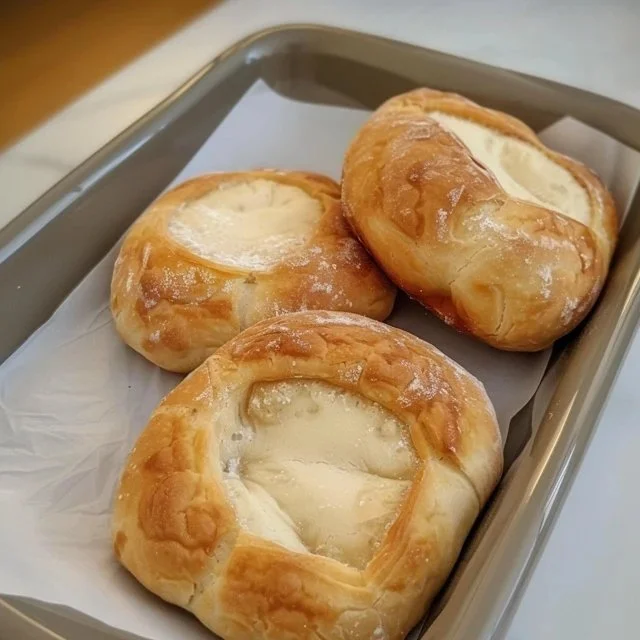

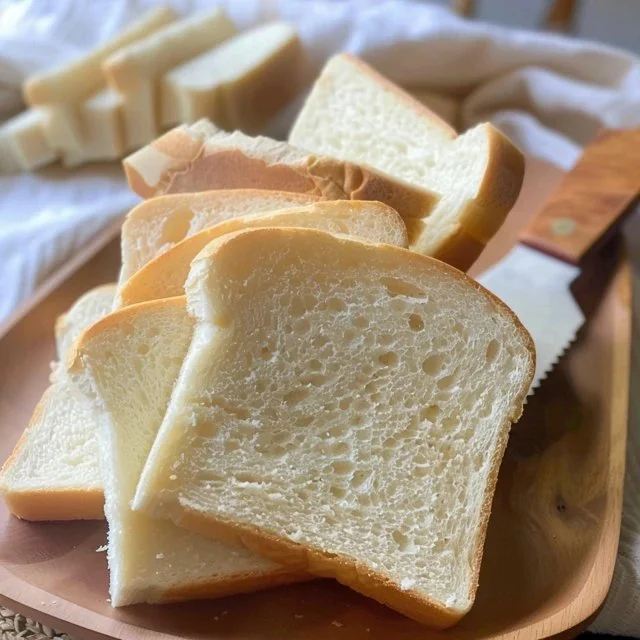
There’s something truly satisfying about making homemade bread, especially when it comes together more simply than you might expect. This sourdough discard sandwich bread is perfect for weeknight dinners, weekend brunches, or those quiet moments when you want something comforting. The recipe is approachable yet rewarding, embracing the idea of using sourdough discard, which often goes to waste. It’s a great way to add flavor and texture to your meals, inviting you to enjoy a slice any time you like.
Why You’ll Love This Recipe Sourdough Discard Sandwich Bread
This recipe is wonderfully easy and reliable, creating a soft loaf that balances comfort and flavor. With its practical everyday value, sourdough discard sandwich bread can accompany various dishes or stand alone as a snack. You’ll find that once you savor a slice, its mellow flavor and delightful texture make it a go-to choice for both sandwiches and toasting.
Kitchen Tools You’ll Need
- Large mixing bowl
- Measuring cups and spoons
- Wooden spoon or spatula
- Loaf pan
- Clean kitchen towel
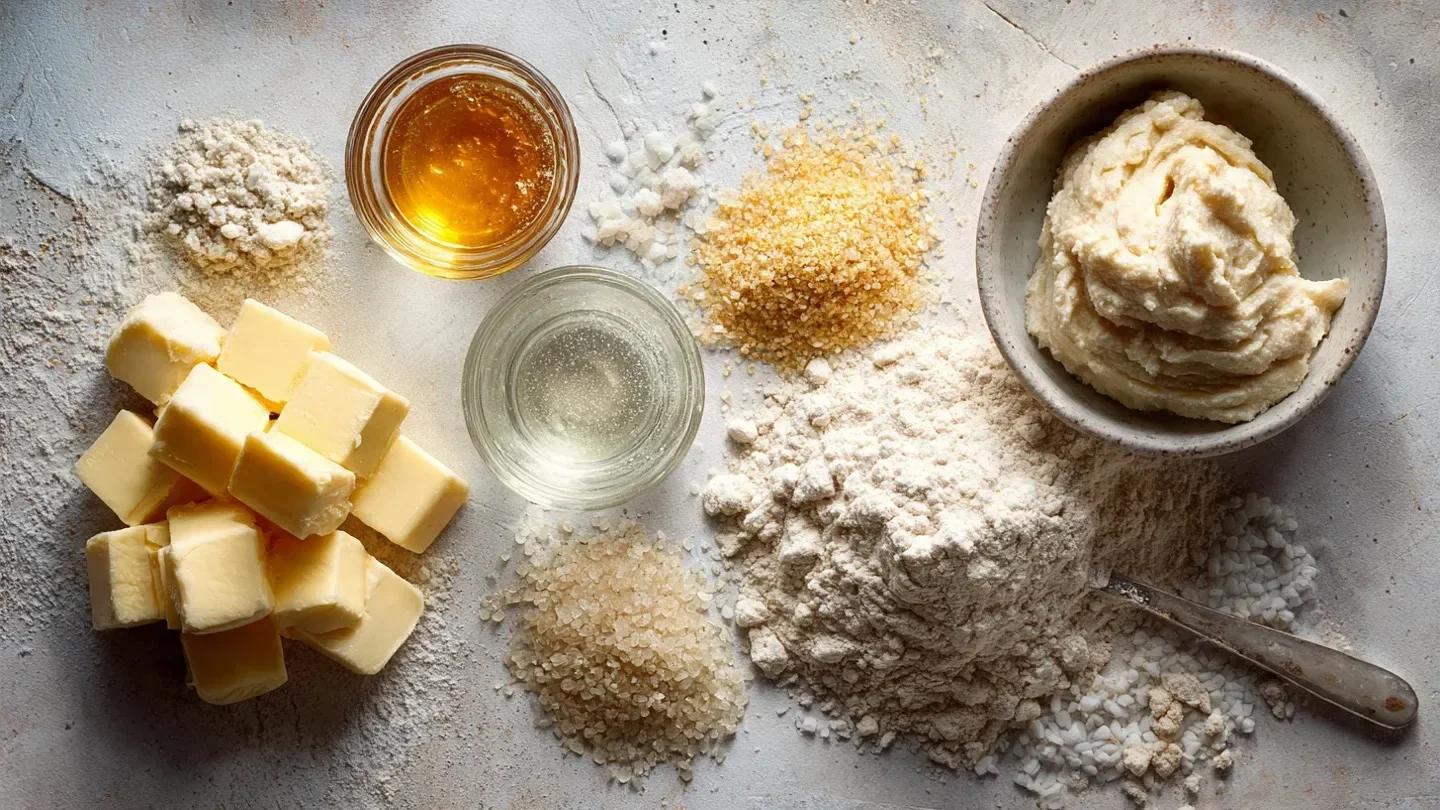
Ingredients
- 1 cup water (provides moisture)
- 1 tablespoon honey (adds a touch of sweetness)
- 3 teaspoons active dry yeast (aids in leavening)
- 4 tablespoons butter, softened (contributes richness and flavor)
- 4 cups all-purpose flour (primary structure)
- 1/2 tablespoon salt (enhances flavor)
- 1 cup sourdough discard (adds flavor and moisture)
How to Make Sourdough Discard Sandwich Bread
Step 1. In a large mixing bowl, combine the water and honey, stirring gently until the honey dissolves completely. This mixture will serve as the base for activating the yeast, preparing for the next step. It’s important to ensure the honey is well incorporated; otherwise, your dough may not rise properly.
Step 2. Sprinkle the active dry yeast over the honey-water mixture and let it sit for about 5 to 10 minutes, allowing the yeast to bloom. You’ll know it’s ready when the mixture becomes frothy and bubbles begin to form on the surface, indicating that the yeast is active.
Step 3. Add the softened butter to the yeast mixture, mixing well until everything is combined. The butter adds a rich flavor and makes the bread softer, contributing to a pleasant texture in the final loaf.
Step 4. Gradually add the all-purpose flour, incorporating it into the mixture a little at a time. You can start with a wooden spoon or spatula for easier mixing. Continue until the dough begins to pull away from the sides of the bowl, signaling that it’s coming together nicely.
Step 5. Sprinkle the salt into the dough after the flour is well combined. This timing helps to avoid directly contacting the yeast initially, ensuring a better rise. Fold the salt in until it’s evenly distributed throughout the dough.
Step 6. Stir in the sourdough discard until it’s fully integrated. The discard not only contributes a bit of tangy flavor but also influences the overall moisture content of the dough, giving it an appealing texture.
Step 7. Turn the dough out onto a lightly floured surface. Knead it for about 8 to 10 minutes until it is smooth and elastic. You’ll notice it becomes less sticky and develops a nice elasticity, which is a good indication that the gluten has formed properly.
Step 8. Place the kneaded dough back into the bowl and cover it with a clean kitchen towel. Let it rise in a warm place until it doubles in size, which usually takes about 1 to 2 hours. Look for a visibly puffed dough, which tells you it has risen sufficiently.
Step 9. Once the dough has risen, punch it down gently to release the excess air. Shape it into a loaf by folding the edges towards the center and rolling it into a tight log. Pay attention to the smoothness of the surface, as a well-shaped loaf will bake evenly.
Step 10. Transfer the shaped loaf into a greased loaf pan. Cover it with the kitchen towel and let it rise again for about 30 minutes, until it has expanded and fills the pan. The dough should look puffy and soft, ready for baking.
Step 11. Preheat your oven to 375°F. This helps ensure that the bread starts baking at the right temperature, which is key for developing a good crust.
Step 12. When the oven is ready, bake the loaf for 30 to 35 minutes, or until it is golden brown and sounds hollow when tapped on the bottom. This sound is a great indicator that the bread is properly baked through.
Step 13. Remove the bread from the oven, and let it cool in the pan for a few minutes before transferring it to a wire rack. Allow the bread to cool completely before slicing; this helps with slicing and maintains the structure of the loaf.
Serving Suggestions
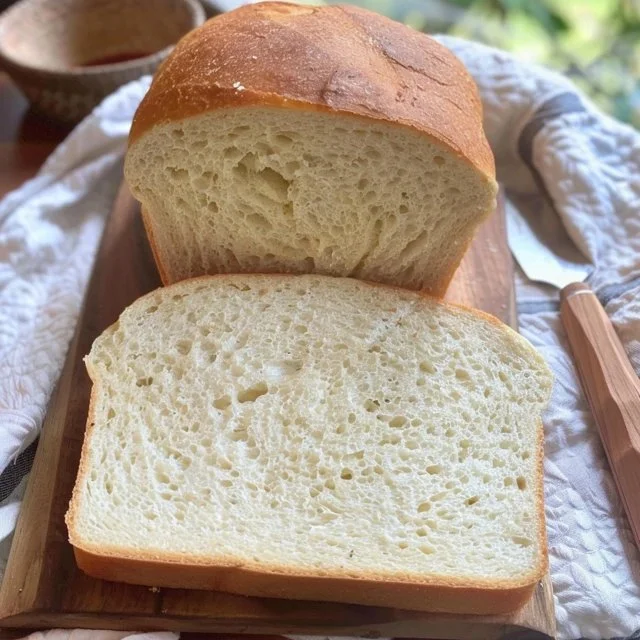
This sourdough discard sandwich bread is surprisingly versatile. It makes a perfect base for breakfast sandwiches, offering a satisfying texture for eggs and bacon. You can also enjoy it as a midday snack with a spread of butter or jam. For dinner, think of classic sandwiches filled with your favorite meats and cheeses. Leftovers can be easily toasted for delicious late-night snacks, allowing you to savor the comforting flavors throughout the week.
Pro Tips for Best Results
- Ensure your yeast is fresh for optimal rising; expired yeast can result in dense bread.
- Using room-temperature butter helps it blend in more smoothly with the other ingredients.
- Kneading the dough properly is crucial for developing gluten; don’t rush this step.
- Allow the dough to rise in a warm spot to encourage yeast activity.
- Be patient while the bread cools to help maintain its shape and texture during slicing.
Common Mistakes to Avoid
- Not Blooming the Yeast: Skipping this step can lead to inactive yeast, resulting in bread that doesn’t rise. Always allow yeast to activate in warm liquid before mixing.
- Using Cold Ingredients: Cold water or butter can hinder the yeast’s ability to work effectively, affecting the dough’s rise. Make sure ingredients are at room temperature.
- Over-Kneading or Under-Kneading: Over-kneading can make the dough tough, while under-kneading may prevent it from maintaining structure. Aim for a smooth, elastic consistency.
- Skipping the Second Rise: Allowing the dough to rise twice develops flavor and texture. Skipping this can result in dense bread.
- Pulling Bread Too Early from the Oven: If you remove the bread before it’s golden brown and hollow-sounding, the interior may be gummy or undercooked. Trust your senses and check for doneness.
- Improper Cooling: Not allowing the bread to cool completely can lead to a soggy crust. Patience is key if you want a good texture.
Variations & Substitutions
- Add herbs, like rosemary or thyme, to the dough for added flavor.
- Incorporate seeds, such as sunflower or sesame, into the dough for extra texture.
- Swapping in whole wheat flour for part of the all-purpose flour can provide a nuttier taste.
Storage & Reheating
Store your sourdough discard sandwich bread at room temperature in a paper bag or breadbox for up to 4 days. For longer storage, slice and freeze it in an airtight bag, which should last for about 3 months. When ready to enjoy, you can toast individual slices directly from the freezer to maintain texture and warmth.
Nutrition Information
- Calories: 160
- Total Fat: 6g
- Saturated Fat: 3g
- Carbohydrates: 23g
- Fiber: 1g
- Sugar: 1g
- Protein: 4g
- Sodium: 150mg
Frequently Asked Questions
Can I make this recipe ahead of time?
Yes, you can prepare the dough the night before. After the first rise, shape it and place it in the fridge for the second rise. It can slowly rise overnight and then bake in the morning.
How long does it last in the fridge?
Sourdough discard sandwich bread can last up to 4 days when stored properly in an airtight container or loaf bag at room temperature. Refrigeration can dry it out, so it’s best enjoyed fresh.
Can I freeze this recipe?
Absolutely! Slice the bread and freeze individual pieces in a freezer-safe bag. It’s a convenient way to enjoy fresh bread whenever you like, simply toast from frozen.
What can I substitute for one ingredient?
If you need to replace honey, you can use maple syrup or granulated sugar. Just make sure to maintain similar quantities to keep the sweetness balanced.
Why didn’t my recipe turn out as expected?
Common issues include using inactive yeast, under-kneading the dough, or not allowing enough rise time. Always check the state of your ingredients and ensure the dough has risen enough before baking.
Final Thoughts
Making sourdough discard sandwich bread is a gratifying endeavor that invites you to savor the simple pleasures of home cooking. The process yields not just a loaf but a comforting staple that fits well into everyday meals. With its friendly texture and subtle flavor, you’ll find this recipe quickly becomes part of your regular baking routine. Enjoy every slice, knowing that the effort put into it brings warmth to your table.
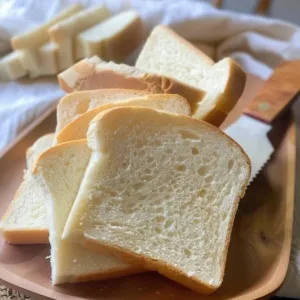
Sourdough Discard Sandwich Bread
Ingredients
For the Dough
- 1 cup water provides moisture
- 1 tablespoon honey adds a touch of sweetness
- 3 teaspoons active dry yeast aids in leavening
- 4 tablespoons butter, softened contributes richness and flavor
- 4 cups all-purpose flour primary structure
- 1/2 tablespoon salt enhances flavor
- 1 cup sourdough discard adds flavor and moisture
Instructions
Preparation
- In a large mixing bowl, combine the water and honey, stirring gently until the honey dissolves completely.
- Sprinkle the active dry yeast over the honey-water mixture and let it sit for about 5 to 10 minutes.
- Add the softened butter to the yeast mixture, mixing well until combined.
- Gradually add the all-purpose flour until the dough begins to pull away from the sides of the bowl.
- Sprinkle the salt into the dough and fold it in until evenly distributed.
- Stir in the sourdough discard until fully integrated.
- Turn the dough onto a lightly floured surface and knead for about 8 to 10 minutes until it's smooth and elastic.
- Place the kneaded dough back into the bowl and cover with a towel. Let it rise in a warm place until it doubles in size, about 1 to 2 hours.
- Once risen, punch down the dough gently, shape it into a loaf, and transfer it to a greased loaf pan.
- Cover the loaf with a kitchen towel and let it rise again for about 30 minutes.
- Preheat your oven to 375°F.
- Bake the loaf for 30 to 35 minutes, or until golden brown and sounds hollow when tapped.
- Remove from the oven and cool in the pan for a few minutes before transferring to a wire rack.