

There’s something comforting about baking a loaf cake on a quiet afternoon. This lemon loaf has a delightful balance of sweetness and tang, making it perfect for any time of day—whether you enjoy it as a light breakfast, a satisfying snack, or a sweet treat for afternoon gatherings. It’s a straightforward recipe that offers both simplicity and flexibility, lending itself well to those who love the ritual of home baking. Gathering the ingredients and watching the transformation in the oven is part of the joy, inviting you to enjoy the process and the result.
Why You’ll Love This Starbucks Copycat Lemon Loaf
This lemon loaf is both easy to make and reliably delicious. The blend of flavors creates a lovely comfort that is sure to please. With its bright citrus notes and a moist, tender crumb, it serves as a practical treat that fits effortlessly into your everyday routine. Enjoying a slice of this lemon loaf can elevate a simple moment—making it a delightful addition to your baking repertoire.
Kitchen Tools You’ll Need
- Mixing bowls
- Measuring cups
- Electric mixer or whisk
- Loaf pan
- Sifter
Ingredients
- 225 g margarine or unsalted butter, softened (provides moisture and richness)
- 225 g caster sugar (contributes sweetness and texture)
- 4 large eggs, room temperature (binds ingredients and adds richness)
- 225 g self-raising flour (ensures the loaf rises)
- Zest of 1 lemon (adds bright flavor)
- 50 g icing sugar, sifted (for sweetness in the glaze)
- 45 ml lemon juice (adds acidity and moisture)
- 150 g icing sugar, sifted (for sweetness in the glaze)
- 1 tbsp lemon juice (enhances flavor in the glaze)
- 1 tbsp milk, room temperature (adds moisture and helps with consistency)
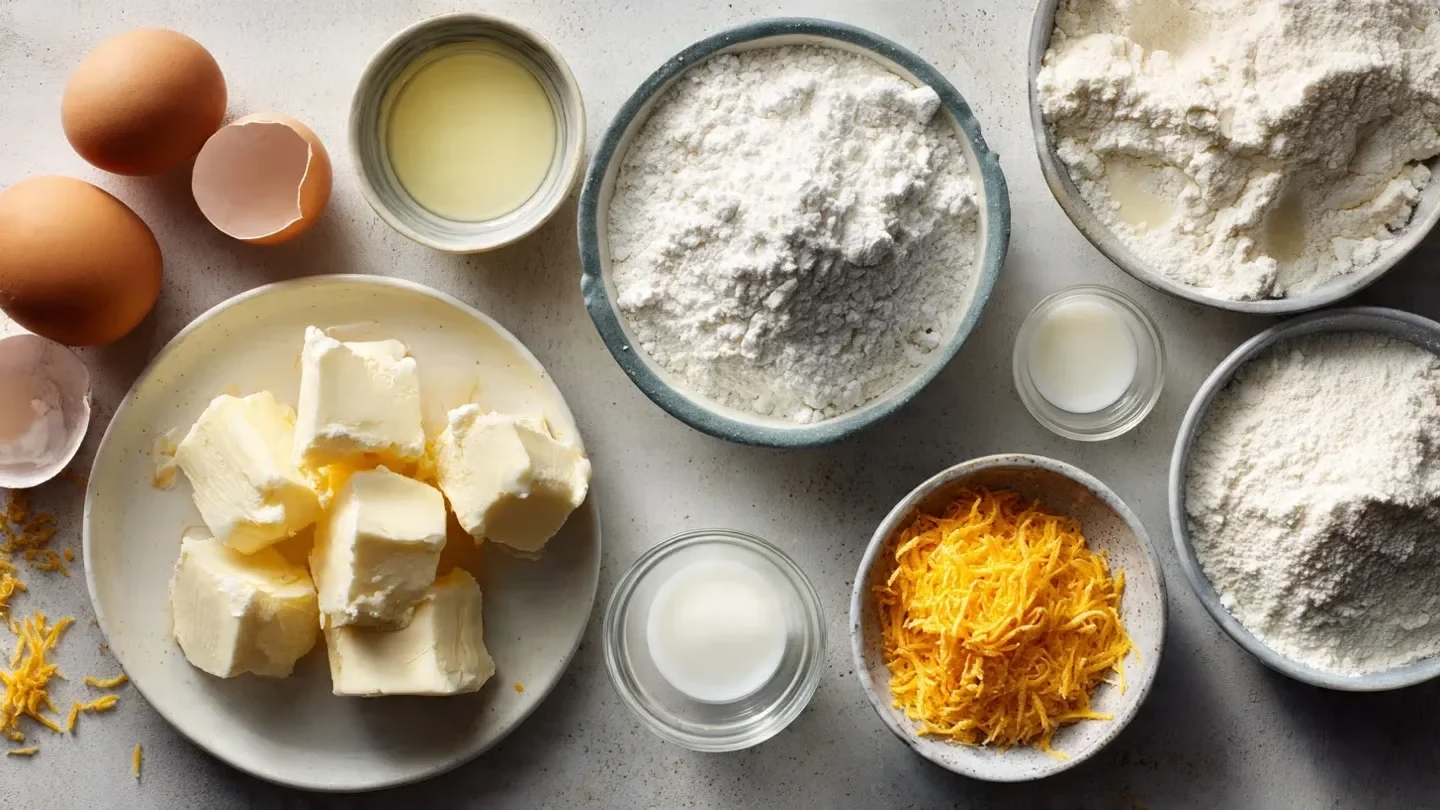
How to Make Copycat Lemon Loaf
Step 1. Begin by creaming the softened margarine or unsalted butter with the caster sugar in a large mixing bowl. Use an electric mixer or whisk to blend them together until the mixture is light and fluffy. This step is essential, as it incorporates air into the batter, which helps the loaf rise. You’ll know it’s ready when the volume has increased and the color has lightened.
Step 2. Next, add one egg at a time to the creamed mixture, beating well after each addition. This allows the eggs to fully incorporate and helps create a smooth, cohesive batter. Pay attention to the texture as it becomes richer and creamier. The mixture should be well combined, with no visible egg streaks remaining.
Step 3. Gradually sift in the self-raising flour. Use a spatula or wooden spoon to gently fold it into the batter. It’s important to do this step carefully to maintain the airiness. Stop folding as soon as there are no large flour pockets; some small lumps are okay. The batter should appear thick and slightly pourable.
Step 4. Incorporate the lemon zest into the batter. Use a spatula to distribute it evenly throughout the mixture, which will infuse the loaf with a lovely lemon aroma as it bakes. The zest adds flavor and brightness, making the loaf taste fresh and inviting.
Step 5. Pour the batter into a greased loaf pan, ensuring it’s spread evenly. A spatula can help smooth the top, which makes for a more aesthetically pleasing loaf. The batter should fill the pan about halfway, allowing room for rising.
Step 6. Place the loaf in a preheated oven. Check for doneness around the end of the baking time by inserting a toothpick into the center. It’s done if the toothpick comes out clean or with a few moist crumbs. The top should also be golden brown, showcasing a slight dome shape.
Step 7. While the loaf is cooling in the pan for a few minutes, prepare the glaze by combining the sifted icing sugar with the lemon juice. Mix until smooth and well-blended. The glaze should have a thick yet pourable consistency, adding a delightful sweet-tart finish to the loaf.
Step 8. After the loaf has cooled slightly, turn it out onto a cooling rack. Once it’s fully cooled, drizzle the prepared lemon glaze over the top. This adds a nice shine and a burst of flavor that beautifully complements the loaf. Allow the glaze to set for a few minutes before slicing.

Serving Suggestions
This lemon loaf is wonderfully versatile and can be enjoyed in various settings. Savor a slice with your morning coffee for a bright start to the day or serve it as a sweet snack during the afternoon. It also pairs nicely with tea for a calming break. If you have any leftovers, they can be packed into lunches or enjoyed during family meals. The loaf stays moist and flavorful, making it delightful on its own or with a light spread.
Pro Tips for Best Results
- Ensure that your eggs are at room temperature before adding them to the mixture. This helps with proper emulsification.
- When folding in the flour, do it gently to maintain the lightness of the batter.
- Grease the loaf pan well to prevent sticking, ensuring a smooth release after baking.
- Allow the loaf to cool completely before glazing to prevent the icing from melting away.
- Use freshly grated lemon zest for the best flavor, as it can significantly enhance the loaf’s aroma.
- For a decorative touch, consider adding a sprinkle of zest on top of the glaze before it sets.
Common Mistakes to Avoid
- Using cold ingredients: Cold eggs or butter can prevent proper mixing, leading to a dense loaf. Always use room temperature ingredients to promote a smoother batter.
- Overmixing the batter: Mixing too vigorously after adding the flour can create excess gluten, resulting in a tough loaf. Mix just until combined for the best texture.
- Skipping the sifting step: Not sifting the flour and icing sugar can lead to clumps, affecting both texture and sweetness. Always sift to achieve a smooth consistency in your batter and glaze.
- Incorrect oven temperature: Baking at the wrong temperature can either cause the loaf to rise too quickly or not at all. Make sure your oven temperature is accurate for even baking.
- Not checking for doneness: Baking times can vary based on ovens. Always test the center with a toothpick, as underbaking can lead to a wet texture.
- Neglecting to cool properly: Cutting into the loaf while it’s still warm can cause it to crumble. Allow it to cool completely on a rack for the best slicing experience.
Variations & Substitutions
For a twist on the classic lemon flavor, consider adding poppy seeds to the batter for a slight crunch. You might also enjoy incorporating some fresh blueberries for a fruitier option, as they pair well with lemon. Alternatively, you can create a more decadent treat by adding a layer of cream cheese frosting instead of the lemon glaze for a richer flavor experience.
Storage & Reheating
To store your lemon loaf, keep it at room temperature for a couple of days in an airtight container to maintain its moisture. For longer storage, you can refrigerate it for up to a week. If you want to keep it even longer, freezing works well; wrap the loaf tightly in plastic wrap and then in foil to prevent freezer burn. To reheat, place slices in the microwave for a few seconds or enjoy at room temperature for the best texture.
Frequently Asked Questions
Can I make this recipe ahead of time?
Yes, you can prepare the lemon loaf a day or two in advance. Just make sure to store it properly after it cools completely to maintain its freshness. The flavor may even improve as it sits!
How long does it last in the fridge?
The lemon loaf will generally last up to a week in the refrigerator. Be sure to store it in an airtight container to keep it moist and flavorful.
Can I freeze this recipe?
Absolutely! You can freeze the lemon loaf for up to three months. It’s best to wrap it well in plastic wrap and foil to preserve its texture and flavor. Thaw in the refrigerator overnight when you’re ready to enjoy it.
What can I substitute for one ingredient?
If you need a substitution for margarine or unsalted butter, you could use a similar amount of coconut oil for a different flavor. However, keep in mind that it may alter the final consistency slightly.
Why didn’t my recipe turn out as expected?
Common reasons include using cold ingredients, overmixing the batter, or not measuring accurately. Each of these factors can significantly affect the baking results, so be sure to check your methods.
Final Thoughts
Making this lemon loaf can be a rewarding addition to your baking routine. The straightforward preparation and the balanced blend of flavors create a satisfying experience that is enjoyable on its own or with a cup of tea. Whether shared at gatherings or savored during quiet moments, this recipe brings a touch of homemade comfort that makes every bite worthwhile. Enjoy the process and the delightful results of your baking journey.

Lemon Loaf
Ingredients
For the loaf
- 225 g margarine or unsalted butter, softened provides moisture and richness
- 225 g caster sugar contributes sweetness and texture
- 4 large eggs, room temperature binds ingredients and adds richness
- 225 g self-raising flour ensures the loaf rises
- 1 zest of 1 lemon adds bright flavor
- 45 ml lemon juice adds acidity and moisture
For the glaze
- 150 g icing sugar, sifted for sweetness in the glaze
- 1 tbsp lemon juice enhances flavor in the glaze
- 1 tbsp milk, room temperature adds moisture and helps with consistency
Instructions
Preparation
- Begin by creaming the softened margarine or unsalted butter with the caster sugar in a large mixing bowl using an electric mixer or whisk until light and fluffy.
- Add one egg at a time, beating well after each addition until fully incorporated.
- Gradually sift in the self-raising flour and fold gently into the batter until just combined.
- Incorporate the lemon zest into the batter evenly.
- Pour the batter into a greased loaf pan and spread evenly.
Baking
- Place the loaf in a preheated oven and bake until a toothpick comes out clean or with a few moist crumbs.
Glazing
- Once cooled slightly, prepare the glaze by mixing the sifted icing sugar with the lemon juice until smooth.
- Drizzle the glaze over the cooled loaf and allow to set before slicing.