

Creating a delicious pizza at home can be an easy and satisfying endeavor. This quick and easy sourdough discard pizza dough recipe offers a practical way to use leftover sourdough discard while yielding a crust that’s both chewy and flavorful. It works great for weeknight dinners, weekend gatherings, or simply those quiet moments when you want something comforting. The simplicity of this dough allows for flexibility, making it a dependable choice that you can return to again and again. Let’s dive into the process.
Why You’ll Love This Quick And Easy Sourdough Discard Pizza Dough
This recipe stands out for its ease and reliability, allowing you to create a satisfying pizza with minimal effort. The crust strikes a perfect balance of chewy texture and balanced flavor, thanks to the sourdough discard. It’s a practical addition to your cooking repertoire, providing comfort and versatility for everyday meals. Whether you’re feeding a family or enjoying a slice alone, this dough is sure to please.
Kitchen Tools You’ll Need
- Large mixing bowl
- Wooden spoon or spatula
- Clean surface for kneading
- Plastic wrap or kitchen towel
Ingredients
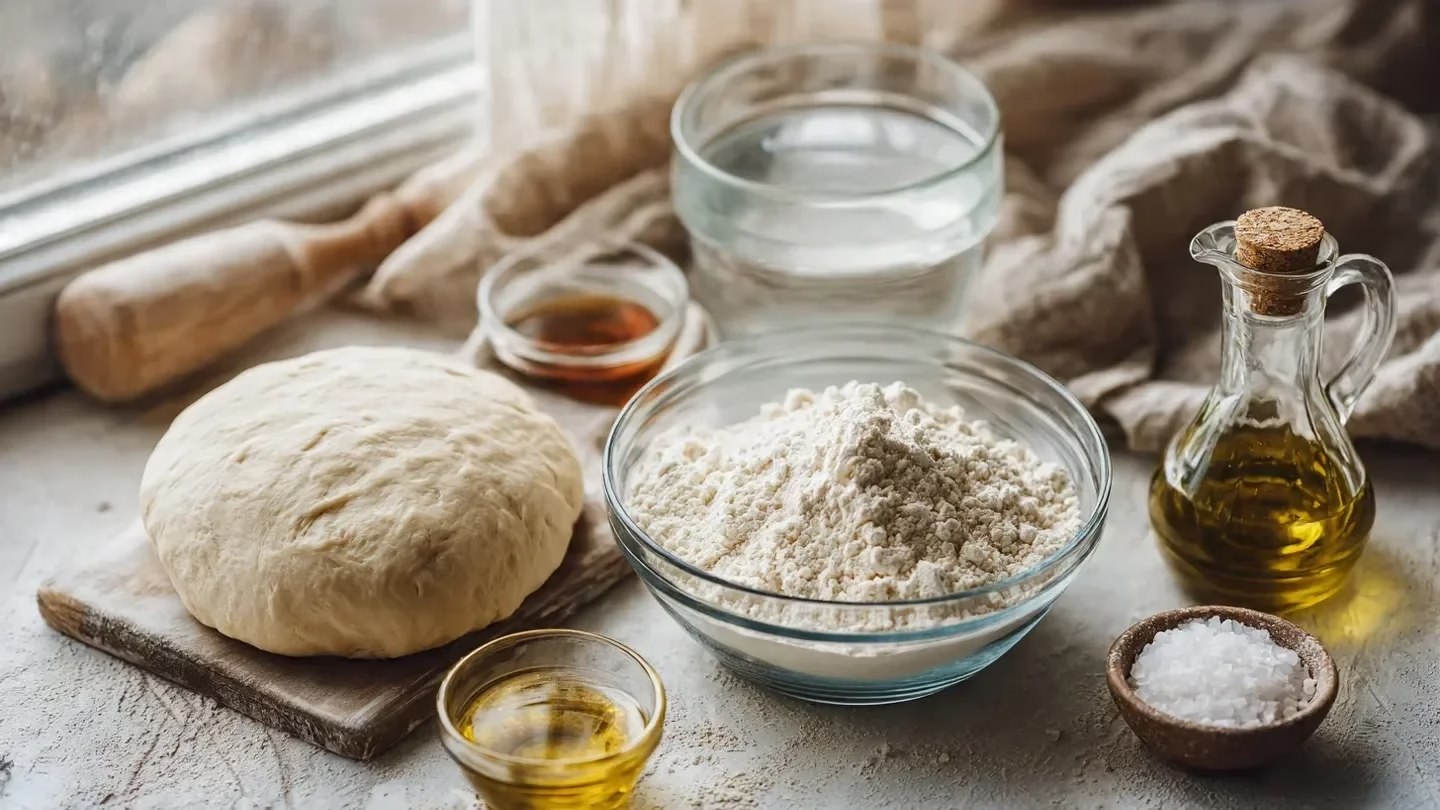
- 1 1/2 cups water (provides moisture)
- 1/2 cup sourdough discard (adds flavor and structure)
- 2 Tbsp olive oil (contributes richness)
- 4 1/2 cups all-purpose flour (forms the base)
- 2 tsp salt (enhances flavor)
How to Make Quick And Easy Sourdough Discard Pizza Dough
Step 1. In a large mixing bowl, combine the water and sourdough discard. Stir gently with a wooden spoon or spatula until the mixture is smooth and well-combined. This step is crucial as it ensures that the sourdough is properly integrated into the water, providing both moisture and tangy flavor throughout the dough.
Step 2. Add the olive oil to the mixture, stirring until it’s fully incorporated. The olive oil not only adds a hint of richness, but it also helps develop a tender crust. Take a moment to notice how the mixture feels at this stage—it should be slightly glossy and smooth.
Step 3. Gradually add in the all-purpose flour and salt. Begin by mixing with a wooden spoon or spatula until the flour is absorbed and a shaggy dough begins to form. This is an important moment, as the flour is what will give the dough its structure. Be patient as you incorporate the dry ingredients.
Step 4. Once the mixture comes together, turn it out onto a clean, floured surface. Knead the dough for about 5–10 minutes until it becomes smooth and elastic. You’ll know it’s ready when it springs back slightly when pressed. This kneading helps develop the gluten, which is crucial for achieving a good texture in your final pizza crust.
Step 5. After kneading, form the dough into a ball and place it back in the mixing bowl. Cover the bowl with plastic wrap or a kitchen towel to prevent the dough from drying out. Let it rest at room temperature for about 30 minutes. This resting period allows the gluten to relax, which will make rolling out the dough easier.
Step 6. Once the dough has rested, it’s ready to be rolled out. Lightly flour your surface again, and transfer the dough onto it. With a rolling pin, roll it out to your desired thickness. Pay attention to the dough’s texture as you work—it should be pliable and soft but not overly sticky.
Step 7. After rolling out the dough, transfer it to a pizza stone or a baking sheet lined with parchment paper. Make sure to adjust the shape to fit your pan. The dough should have a nice, smooth surface at this point. This is the canvas for your favorite toppings.
Step 8. Preheat your oven according to the instructions for your pizza toppings. If you’re baking it plain, a hotter oven often results in a better crust. Keep an eye on the thickness and texture of the dough as it bakes, waiting for it to turn golden and slightly crisp.
Serving Suggestions
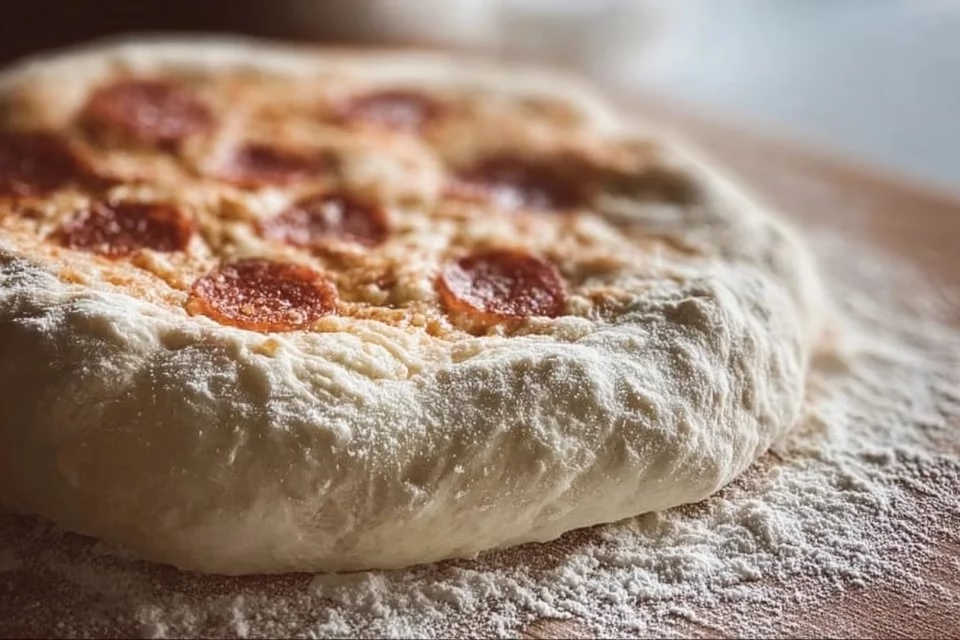
This sourdough discard pizza dough can be a delightful addition to various meals throughout the day. Use it for breakfast by topping the pizza with eggs and cheese, or transform it into a quick snack with simple toppings like marinara and cheese. For family dinners, load it with your favorite sauces, meats, and vegetables for a crowd-pleaser. If you have leftovers, they’re just as tasty reheated. The versatility of this dough makes it suitable for casual meals and special occasions alike.
Pro Tips for Best Results
- Let the dough rest adequately; it helps in achieving a more flavorful crust.
- Keep flour dust on your surface minimal while rolling out to avoid a dry dough.
- Use a pizza stone for a crispier base.
- Experiment with different shapes—personal-sized pizzas can be fun and easy to handle.
- Not all ovens are the same, so monitor your pizza as it bakes to ensure even doneness.
Common Mistakes to Avoid
- Not letting the dough rest: Skipping the rest period can result in a tough crust. Always allow the gluten to relax for better shape and texture.
- Too much flour when kneading: Over-flouring can make the dough dry. Use just enough to prevent sticking but maintain the moisture of the dough.
- Not baking at a high enough temperature: A properly preheated oven is key for achieving a crispy crust. Check your oven settings and adjust as needed.
- Over-rolling the dough: Rolling it too thin can lead to a dry pizza. Aim for a thickness that feels good—about a quarter inch works well for most pizzas.
- Skipping the olive oil: Olive oil adds flavor and tenderness to the dough. Don’t leave it out, as it plays a key role in the final texture.
- Ignoring visual cues: Pay attention to the color change while baking; a golden crust is often the best indicator that it’s ready to be enjoyed.
Variations & Substitutions
- Herbed Dough: Mix in dried herbs like oregano or basil into the flour for added flavor.
- Whole Wheat Flour: Incorporating whole wheat flour can offer a nuttier taste and increased fiber.
- Garlic: Adding minced garlic to the oil can bring a nice aroma and flavor to the crust.
Storage & Reheating
You can store leftover pizza dough at room temperature for a few hours. For longer storage, keep it in an airtight container in the refrigerator for up to a week. If you want to freeze dough for future use, wrap it tightly in plastic wrap and place it in a freezer bag, where it should last up to three months. To reheat, place leftover pizza directly in a hot oven until warmed through to maintain a good texture.
Frequently Asked Questions
Can I make this recipe ahead of time?
Yes, you can prepare the dough and let it rest in the refrigerator overnight. This can enhance the flavor of the crust.
How long does it last in the fridge?
Stored properly, the pizza dough can last in the fridge for about a week, allowing you to enjoy fresh homemade pizza whenever you want.
Can I freeze this recipe?
Absolutely! You can freeze the dough for up to three months. Just wrap it well, and thaw it in the refrigerator before use.
What can I substitute for one ingredient?
If you’re looking to replace the olive oil, you can use melted butter instead, which will contribute a different, yet delicious flavor.
Why didn’t my recipe turn out as expected?
Common issues arise from inadequate kneading or resting, insufficient oven temperature, or using too much flour. Reviewing the recipe steps can help identify where it went wrong.
Final Thoughts
Making this sourdough discard pizza dough offers not just a meal, but an enjoyable experience in the kitchen. It’s a straightforward process that yields a comforting and versatile crust for countless toppings. Whether you’re sharing it with friends or savoring a quiet slice at home, this recipe is sure to become a part of your regular cooking routine. Embrace the simplicity, and enjoy the satisfaction of creating something homemade.

Sourdough Discard Pizza Dough
Ingredients
Dough Ingredients
- 1.5 cups water provides moisture
- 0.5 cups sourdough discard adds flavor and structure
- 2 Tbsp olive oil contributes richness
- 4.5 cups all-purpose flour forms the base
- 2 tsp salt enhances flavor
Instructions
Preparation
- In a large mixing bowl, combine the water and sourdough discard. Stir gently until smooth.
- Add the olive oil and stir until fully incorporated, achieving a slightly glossy mixture.
- Gradually add in the all-purpose flour and salt, mixing until a shaggy dough forms.
- Turn the mixture onto a floured surface and knead for 5–10 minutes until smooth and elastic.
- Form the dough into a ball, cover with plastic wrap or a kitchen towel, and let it rest for about 30 minutes.
Rolling and Baking
- Transfer the rested dough to a floured surface and roll it out to desired thickness.
- Transfer the rolled dough to a pizza stone or a baking sheet lined with parchment paper.
- Preheat oven according to your pizza toppings' instructions and bake until golden.