
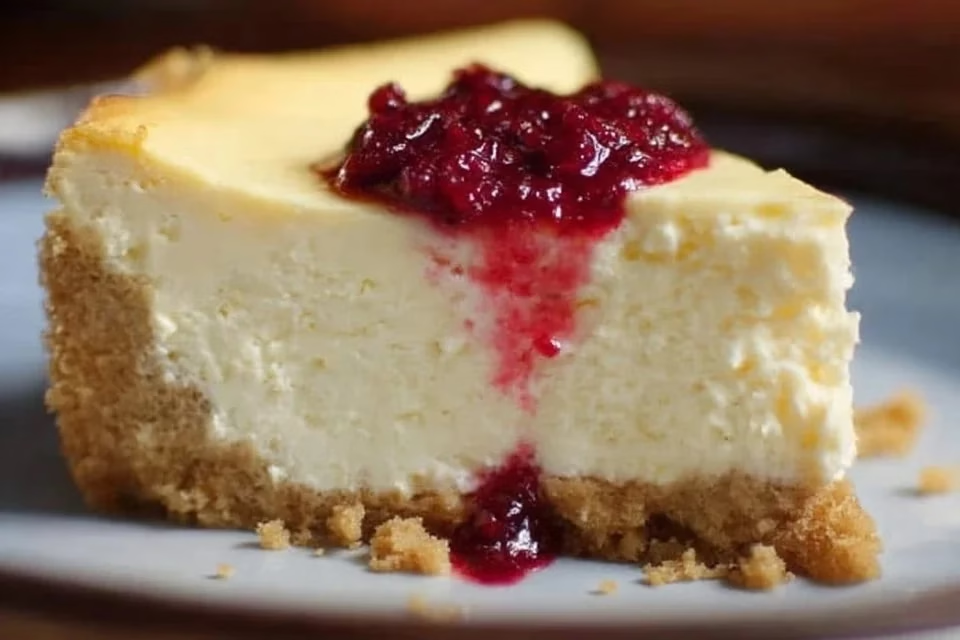
Why You’ll Love This Recipe
You’ll appreciate the ease and reliability of this Cottage Cheese Cheesecake, making it a fantastic choice for any home cook. It combines comfort and balanced flavor while fitting seamlessly into your everyday life. With minimal fuss, this recipe provides a satisfying dessert that can please both family and friends, securing its place in your regular rotation.
Kitchen Tools You’ll Need
- Mixing bowls
- Electric mixer or whisk
- Measuring cups and spoons
- 9-inch pie or springform pan
- Rubber spatula
- Baking sheet (optional)
Ingredients
- 2 cups cottage cheese (creamy texture, protein-rich)
- 1 cup Greek yogurt (thickness, tanginess)
- 1/2 cup sugar or sweetener of choice (sweetness)
- 3 large eggs (binding agent, richness)
- 1 teaspoon vanilla extract (flavor enhancement)
- 1 tablespoon lemon juice (brightness, balance)
- 1/2 cup almond flour or crushed graham crackers (for crust, texture)
- 4 tablespoons melted butter (for crust, moisture)
How to Make Cottage Cheese Cheesecake
Step 1
Begin by preheating your oven to 350°F (175°C). Ensuring that your oven is preheated provides an even cooking environment, which is essential for a uniform bake. While the oven heats up, you can prepare your other ingredients. It’s important to take this step seriously, as an unprepared oven can lead to improper baking results later on.
Step 2
In a large mixing bowl, combine the cottage cheese and Greek yogurt. Using an electric mixer or whisk, blend until the mixture is smooth and creamy without any lumps. This step is crucial, as it creates the base texture of your cheesecake. Watch for any visible clumps of cottage cheese, which should be thoroughly worked into the mixture until completely blended.
Step 3
Next, add the sugar or your preferred sweetener to the cheese and yogurt mixture. Continue mixing until the sweetener is fully incorporated and you achieve a uniform sweetness throughout. This step helps ensure that each bite of cheesecake is balanced in flavor. It may take a minute or two of mixing for the sugar to dissolve completely.
Step 4
Now, crack in the three large eggs one at a time, mixing well after each addition. This gradual incorporation allows the eggs to blend smoothly into the batter, which is important for achieving a light and fluffy cheesecake. As you mix, be attentive to the texture, ensuring there are no streaks of egg visible before moving on.
Step 5
Add the teaspoon of vanilla extract and the tablespoon of lemon juice to the mixture. Gently fold these ingredients in with a rubber spatula or continue using the mixer on low speed. This addition is crucial for enhancing the overall flavor profile of your cheesecake. Make sure both ingredients are evenly distributed throughout the batter.
Step 6
In a separate bowl, combine the almond flour or crushed graham crackers with the melted butter. Mix until all the crumbs are well coated with the butter; the mixture should resemble wet sand. This forms the crust base and adds a lovely texture to the cheesecake. Pay attention to the consistency, as it should clump together when squeezed but not be overly wet.
Step 7
Prepare your pie or springform pan by pressing the crust mixture firmly into the bottom in an even layer. This step establishes a solid foundation for your cheesecake. Use your fingers or the bottom of a glass to pack the crust tightly, which will help prevent it from crumbling apart after baking.
Step 8
Pour the prepared cheesecake filling over the crust in the pan. Use a rubber spatula to smooth out the surface if necessary, ensuring an even layer on top. This step is key to achieving a nice presentation later on. Make sure to fill the pan to the edges without overflowing, allowing for proper baking.
Step 9
Carefully place the cheesecake in the preheated oven. If you’re using a springform pan, consider placing it on a baking sheet to catch any drips. Bake for about 45–50 minutes, or until the edges are set and the center slightly jiggles. Watch closely as baking time may vary, and an underbaked cheesecake can result in a dense texture.
Step 10
Once baked, turn off the oven and crack the oven door slightly, letting the cheesecake cool gradually for about an hour. This gentle cooling process helps prevent cracking on the surface, making for a better presentation. Keep an eye on it to ensure it cools down slowly without excessive heat loss.
Step 11
After cooling in the oven, transfer the cheesecake to the refrigerator to chill for at least four hours, or ideally overnight. This allows the flavors to meld and the texture to firm up nicely. Make sure to cover the cheesecake loosely if you’re refrigerating it overnight to prevent any absorbing unwanted odors.
Step 12
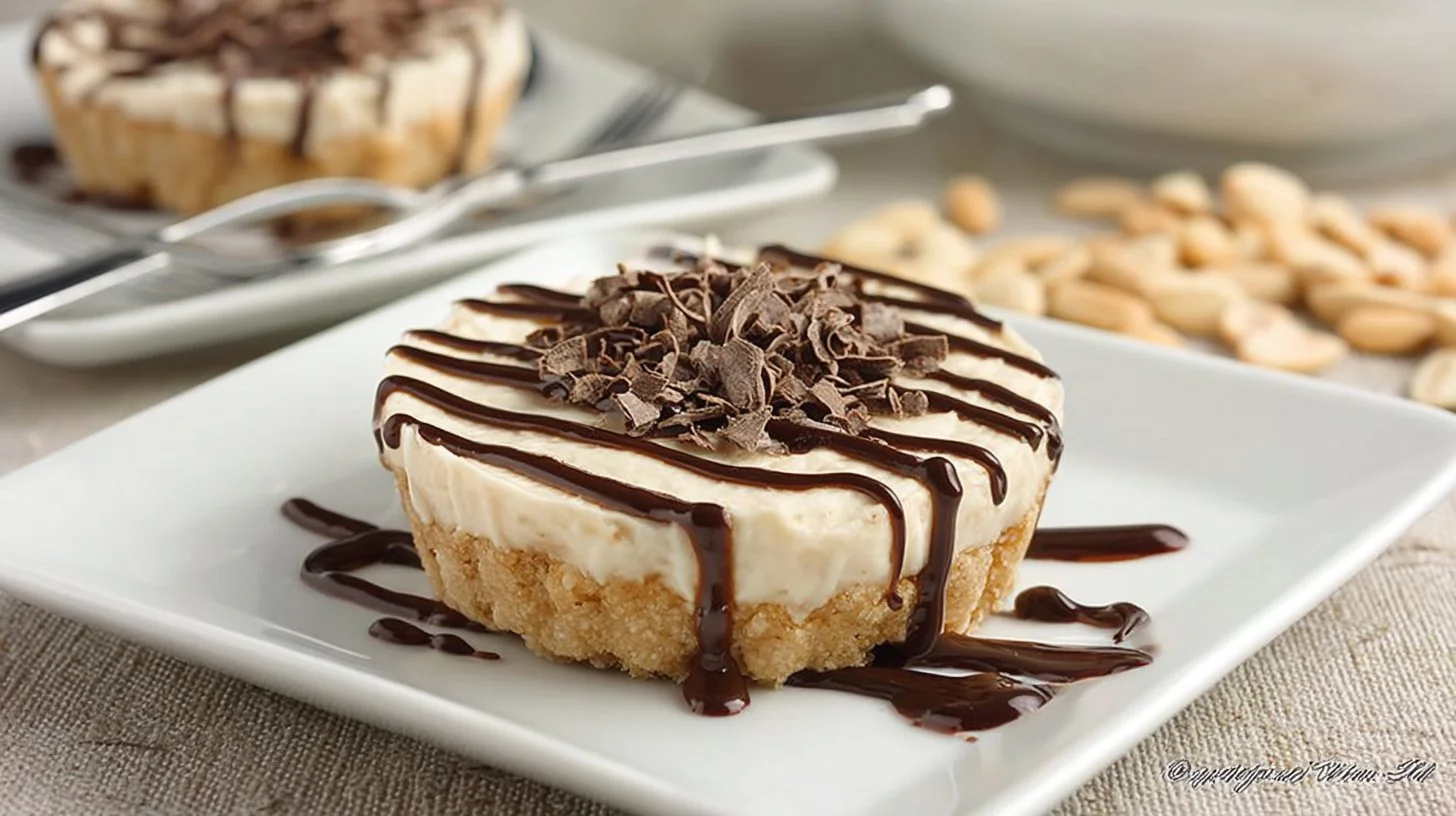
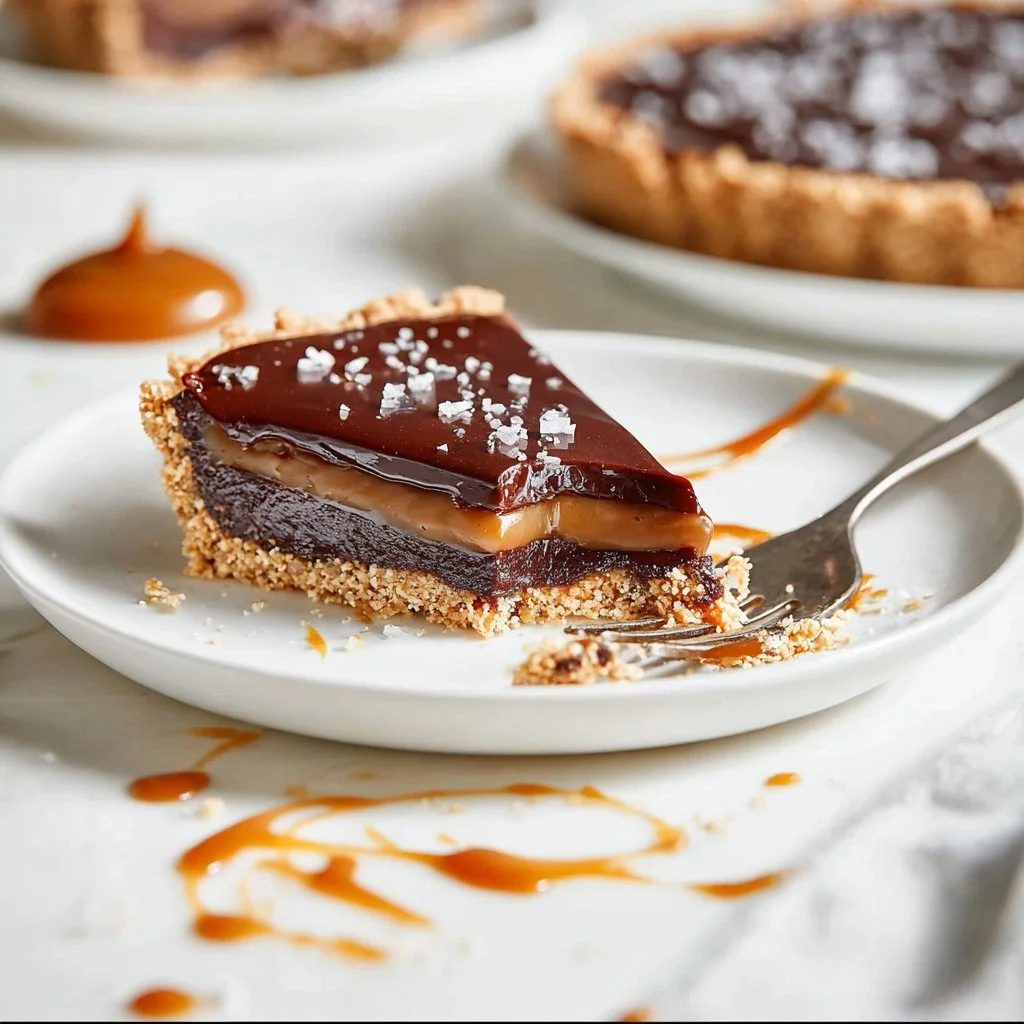
When ready to serve, remove the cheesecake from the pan and slice it into wedges using a sharp knife. For cleaner slices, you can wipe the knife with a damp cloth between cuts. Enjoy the cheesecake plain or with your choice of toppings, such as fresh fruit or a drizzle of chocolate sauce.
Serving Suggestions
This Cottage Cheese Cheesecake makes a versatile addition to any meal. Serve it at breakfast alongside some fresh fruit or granola for a fulfilling start to your day. It works equally well as an afternoon snack or a light dessert after dinner. If you have leftovers, they can be conveniently enjoyed the next day, maintaining their delightful flavor and creamy texture.
Pro Tips for Best Results
- Ensure all ingredients are at room temperature before mixing for a smoother batter.
- Use a fine mesh strainer for the cottage cheese to remove excess moisture if needed.
- Allow the cheesecake to cool slowly to avoid cracks on the surface.
- For extra flavor, consider adding citrus zest or spices like cinnamon to the batter.
- If using a springform pan, wrap the bottom in aluminum foil to prevent leaks.
- Be patient during the chilling process; the flavors improve with time.
Common Mistakes to Avoid
- Not Preheating the Oven: Skipping this step can lead to uneven baking, resulting in a cheesecake that is not set properly. Always preheat to ensure consistent cooking temperatures.
- Overmixing the Batter: Mixing too vigorously can incorporate excess air, leading to a cheesecake that cracks during baking. Mix just until combined for best results.
- Skipping the Cooling Period: Removing the cheesecake from the oven too quickly can cause cracks. When you let it cool slowly, you encourage the filling to set properly without shattering.
- Using Cold Ingredients: Cold ingredients can lead to a lumpy mixture. Allow your ingredients to reach room temperature before combining to achieve a smoother texture.
- Not Chilling Long Enough: Cutting into the cheesecake before it has chilled sufficiently can result in a soft, unstable texture. Aim for at least four hours in the fridge, preferably overnight.
- Improper Crust Preparation: Not pressing the crust mixture firmly enough can cause it to crumble when slicing. Be sure to pack it tightly for structural integrity.
Variations & Substitutions
- For a chocolate twist, incorporate cocoa powder into the filling mixture.
- Add a fruit compote topping to introduce a layer of sweetness and color.
- Experiment with different crust options, such as crushed cookies or nut blends.
- Use flavored Greek yogurt, like vanilla or strawberry, for an added taste dimension.
- Create individual cheesecakes by using muffin tins or jars for easy servings.
Storage & Reheating
This cheesecake should be stored in the refrigerator if not consumed immediately, where it can last up to a week. If you need to keep it longer, you can freeze slices in airtight containers for up to three months. To reheat, allow frozen slices to thaw in the fridge overnight for the best texture, then enjoy cold or let them sit at room temperature for a short while before serving.
Nutrition Information
Nutrition values are estimates and may vary based on ingredients used.
Frequently Asked Questions
Can I make this recipe ahead of time?
Yes, this cheesecake can be made ahead of time. It actually benefits from resting in the refrigerator overnight, allowing the flavors to meld beautifully. Make it a day before serving for the best results.
How long does it last in the fridge?
When stored properly in the refrigerator, the cottage cheese cheesecake will last about one week. Ensure it is covered to maintain freshness and prevent it from absorbing other odors in the fridge.
Can I freeze this recipe?
Yes, you can freeze the cheesecake. Wrap slices tightly in plastic wrap or place them in an airtight container. They can be frozen for up to three months. Just remember to thaw them in the fridge before enjoying.
What can I substitute for one ingredient?
You could substitute Greek yogurt with regular yogurt for a similar creamy texture, although it may yield a slightly different flavor and texture. Be sure to adjust for moisture if needed.
Why didn’t my recipe turn out as expected?
If your cheesecake didn’t set properly, it might have been removed from the oven too soon or not cooled gradually. Always give it time to bake and cool down slowly for optimal results.
Final Thoughts
Making Cottage Cheese Cheesecake is an enjoyable, straightforward process that yields a delightful treat. Whether you’re enjoying a slice as a comforting dessert or sharing it with friends and family, this cheesecake brings a lovely richness to the table. With its balanced flavor and creamy texture, it reassures you that simple ingredients can create something truly special. Don’t worry if you’re new to baking; with practice, this cheesecake can become a cherished favorite in your home.
Cottage Cheese Cheesecake
Ingredients
Cheesecake Filling
- 2 cups cottage cheese creamy texture, protein-rich
- 1 cup Greek yogurt thickness, tanginess
- 1/2 cup sugar or sweetener of choice sweetness
- 3 large eggs binding agent, richness
- 1 teaspoon vanilla extract flavor enhancement
- 1 tablespoon lemon juice brightness, balance
Crust
- 1/2 cup almond flour or crushed graham crackers for crust, texture
- 4 tablespoons melted butter for crust, moisture
Instructions
Preparation
- Preheat your oven to 350°F (175°C).
- In a large mixing bowl, combine the cottage cheese and Greek yogurt. Blend until smooth and creamy without lumps.
- Add the sugar or preferred sweetener and mix until fully incorporated.
- Crack in the three large eggs one at a time, mixing well after each addition.
- Add the vanilla extract and lemon juice, folding them into the mixture.
- In a separate bowl, combine almond flour or crushed graham crackers with melted butter until well coated.
- Press the crust mixture into the bottom of the pie or springform pan firmly.
- Pour the cheesecake filling over the crust and smooth out the surface.
Baking
- Carefully place the cheesecake in the preheated oven and bake for about 45–50 minutes.
- Turn off the oven and crack the oven door slightly, letting the cheesecake cool gradually for about an hour.
- After cooling, transfer the cheesecake to the refrigerator to chill for at least four hours, or ideally overnight.
Serving
- Remove the cheesecake from the pan and slice it into wedges using a sharp knife.
- Serve plain or with your choice of toppings, such as fresh fruit or a drizzle of chocolate sauce.