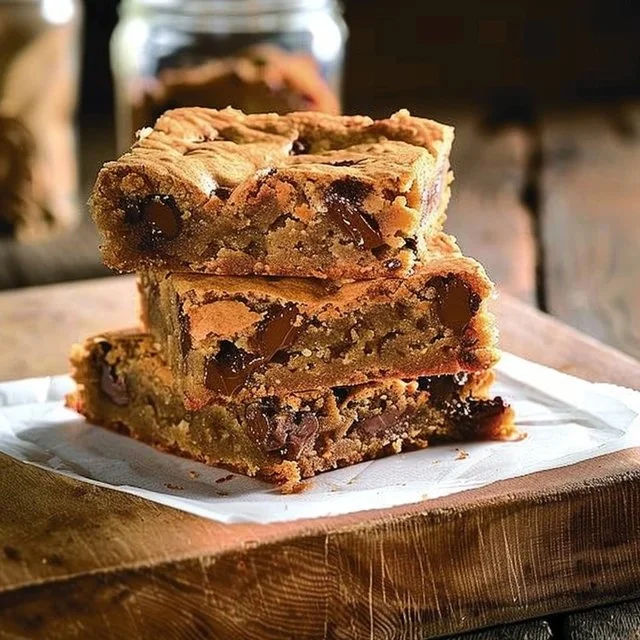


There’s something so comforting about a slice of pound cake, especially when it’s infused with fresh lemon. This particular recipe produces a moist, flavorful cake that’s wonderful for everyday occasions, whether it’s a simple weeknight treat, a weekend bake, or something special to share during gatherings. The balance of sweetness and bright citrus makes it a delightful addition to quiet moments, too. Let’s step into the kitchen and get started on this inviting bake.
Why You’ll Love This Moist Lemon Pound Cake
This moist lemon pound cake offers ease and reliability, making it a go-to recipe for any home cook. Its comforting texture combined with a well-balanced lemon flavor provides practical everyday value. It’s perfect for filling your kitchen with enticing aromas while being simple enough for novice bakers. This recipe is one that you’ll likely return to often, enjoying its satisfying results time and again.
Kitchen Tools You’ll Need
- Mixing bowls
- Electric mixer
- Measuring cups and spoons
- Rubber spatula
- Loaf pan
- Cooling rack
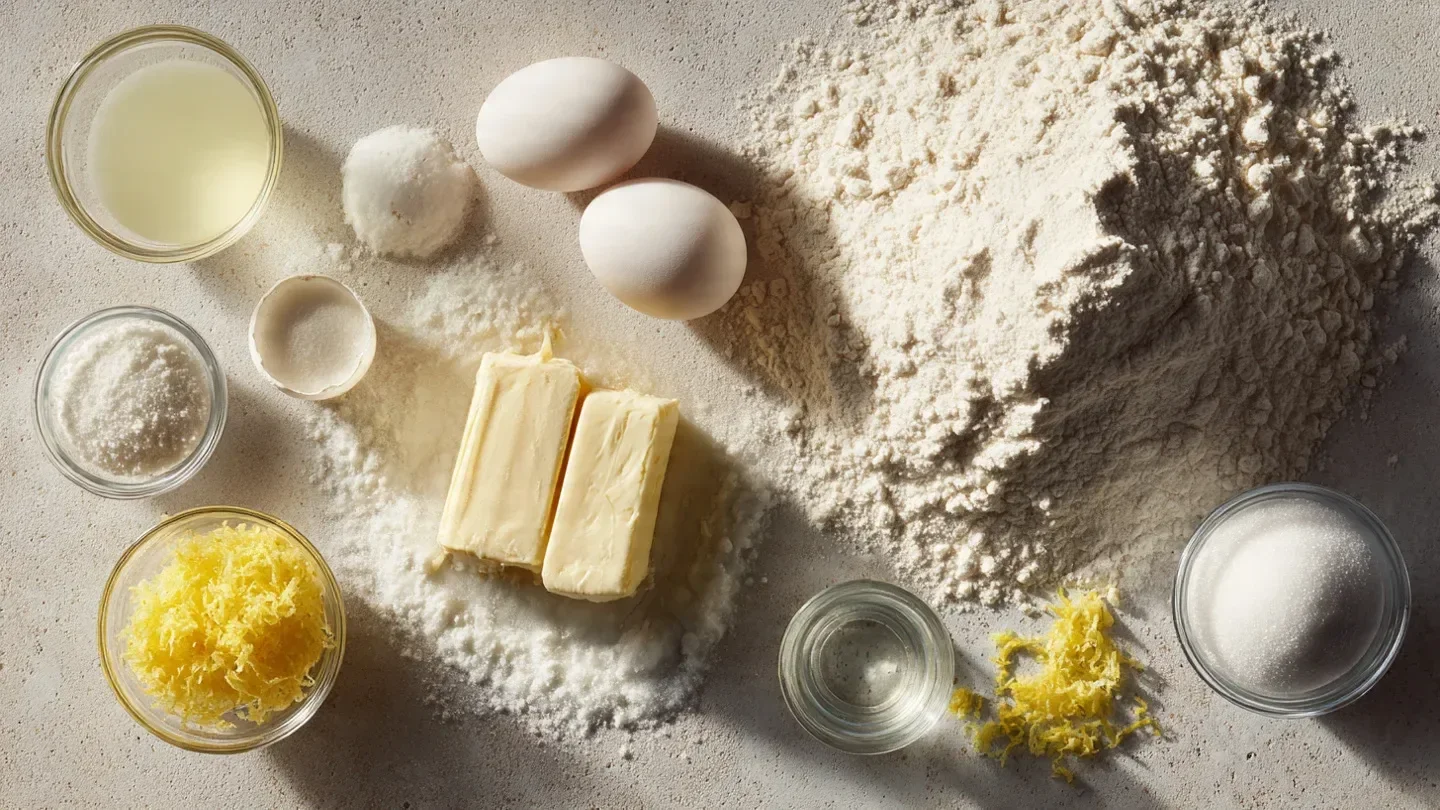
Ingredients
- 1 1/2 cups all-purpose flour (provides structure)
- 1/2 teaspoon salt (enhances flavor)
- 1/4 teaspoon baking powder (aids in leavening)
- 1/2 cup unsalted butter, room temperature (adds moisture and richness)
- 1/4 cup butter or shortening, room temperature (contributes to tenderness)
- 1 1/2 cups granulated sugar (sweetens and helps with texture)
- 3 large eggs (binds ingredients and adds moisture)
- 3 tablespoons fresh lemon juice, strained (provides acidity and flavor)
- 1 tablespoon lemon zest (adds fragrance and zestiness)
- 1/2 cup milk (adds moisture)
- 1 cup confectioners’ sugar, sifted (for smooth glaze)
- 2 tablespoons fresh lemon juice, strained for glaze (flavor for the glaze)
- Lemon zest for garnish, optional (for visual appeal)
How to Make Moist Lemon Pound Cake
Step 1. Begin by preheating your oven to the appropriate temperature. This ensures that the heat is even when you place your cake in. Greasing your loaf pan before mixing the batter can help prevent sticking later.
Step 2. In a medium bowl, whisk together the all-purpose flour, salt, and baking powder. This step is crucial as it evenly distributes the dry ingredients, which will help the cake rise properly and maintain a consistent texture throughout.
Step 3. In a large mixing bowl, cream together the unsalted butter and shortening until you achieve a light, fluffy texture. It’s important for this step to fully incorporate air, which will contribute to the cake’s overall moistness and lightness.
Step 4. Gradually add the granulated sugar to the creamed butter and shortening, mixing until combined and fluffy. This step helps to dissolve the sugar, adding sweet flavor to the mix while ensuring a smooth batter.
Step 5. Crack in the eggs one at a time, mixing well after each addition. This process allows the eggs to blend completely into the batter, which is essential for achieving the right consistency and moisture.
Step 6. Stir in the strained lemon juice and lemon zest until everything is evenly combined. The addition of lemon at this stage imparts a wonderful brightness that will come through strongly in the final flavor of the cake.
Step 7. Gradually add the flour mixture to the wet ingredients, alternating with the milk. Begin and end with the flour mixture. Mix just until everything is combined to avoid overworking the batter, which can lead to a dense cake.
Step 8. Pour the batter into the prepared loaf pan, smoothing the top gently with a spatula to create an even surface. A level top helps the pound cake rise uniformly while baking, resulting in a nice, even slice later on.
Step 9. Bake the cake until you see a golden color on top and a toothpick inserted in the center comes out clean. This visual cue will help you gauge doneness while keeping the cake moist within.
Step 10. Once baked, let the cake cool in the pan for about 10 minutes. This allows it to set a little before transferring it to a cooling rack, preventing it from breaking apart.
Step 11. After that, remove the cake from the pan and allow it to cool completely on the rack. This cooling process is important for solidifying the cake’s structure and ensuring it’s not too warm when you apply the glaze.
Step 12. For the glaze, whisk together the sifted confectioners’ sugar and strained lemon juice in a small bowl until smooth. This gloss adds a sweet lemony finish that contrasts nicely with the cake’s texture.
Step 13. Drizzle the glaze over the cooled cake, allowing it to cascade down the sides. If desired, garnish with additional lemon zest. This gives a visually appealing touch and further enhances its lemony flavor.

Serving Suggestions
Moist lemon pound cake is a versatile treat that can fit into various parts of your day. It’s great served plain for breakfast alongside coffee or tea, making mornings feel a little more special. As a snack, it pairs beautifully with fresh fruit for a balanced afternoon option. You can also enjoy it as a sweet ending to family meals, where leftovers, if any, can be wrapped for a delightful treat later on.
Pro Tips for Best Results
- Make sure all your ingredients are at room temperature before beginning for easier mixing and a smoother batter.
- Don’t overmix once you add the flour; this will help maintain the cake’s light and moist texture.
- Use freshly squeezed lemon juice and zest for the best flavor; pre-packaged versions often lack the same brightness.
- Always sift the confectioners’ sugar for a smooth glaze, avoiding lumps that could disrupt the finish.
- Allow the cake to fully cool before glazing to prevent the glaze from melting and losing its shape.
- Experiment with varying the amount of lemon zest to find the balance you enjoy most in flavor intensity.
Common Mistakes to Avoid
- Overmixing the batter: This can lead to a dense or tough cake, as it develops the gluten in the flour. Mix until just combined for a lighter texture.
- Not room temperature ingredients: Using cold ingredients can result in uneven mixing. Allow butter, eggs, and milk to warm up for better incorporation.
- Incorrect oven temperature: An oven that’s too hot can cause the cake to rise too quickly and crack, while one that’s too cool can lead to a dry cake.
- Skipping the greasing step: Not greasing the pan can lead to the cake sticking, which makes it hard to remove without damaging the edges.
- Not checking for doneness: Ending the bake too early can leave your cake gooey in the center. A toothpick inserted should come out clean.
- Forgetting to cool before glazing: If the cake is too warm when you add the glaze, it can simply melt off rather than sitting nicely on top.
Variations & Substitutions
For a slightly different twist, consider adding poppy seeds for an enjoyable texture contrast. You could also fold in some dried fruit, like cranberries or blueberries, for added flavor without new ingredients. If you want a lighter option, substituting part of the butter with Greek yogurt can reduce fat while keeping it moist.
Storage & Reheating
To keep your pound cake fresh, store it at room temperature in an airtight container for up to 3 days. If you want it to last longer, refrigerate it for about a week. Freezing is also a great option; wrap it tightly in plastic wrap and then in foil, where it can last for up to three months. When ready to enjoy, allow it to thaw at room temperature for the best texture and flavor.
Frequently Asked Questions
Can I make this recipe ahead of time?
Yes, this recipe can be made a day in advance. It often tastes even better after sitting, as the flavors meld together. Just ensure it’s properly wrapped to maintain moisture.
How long does it last in the fridge?
When stored properly, the lemon pound cake can last about a week in the refrigerator. Be sure to keep it in an airtight container to reduce dryness.
Can I freeze this recipe?
Absolutely! Freezing slices or the entire loaf can be done for up to three months. Just make sure it’s well-wrapped to prevent freezer burn.
What can I substitute for one ingredient?
If you’re out of granulated sugar, brown sugar can be used instead for a slightly different flavor profile. Keep in mind it may introduce some extra moisture.
Why didn’t my recipe turn out as expected?
Common reasons include incorrect ingredient ratios, not following mixing instructions, or inconsistencies with oven temperature. Always measure carefully and check for doneness as suggested.
Final Thoughts
Making this moist lemon pound cake is not just about baking; it’s an enjoyable process that yields a delightful treat. Whether for a busy morning or a quiet evening with a cup of tea, its comforting texture and flavor make it a go-to in any home. Enjoy each moment in the kitchen and savor the experience of sharing this wonderful cake with others.

Moist Lemon Pound Cake
Ingredients
Dry Ingredients
- 1.5 cups all-purpose flour provides structure
- 0.5 teaspoons salt enhances flavor
- 0.25 teaspoons baking powder aids in leavening
Wet Ingredients
- 0.5 cups unsalted butter, room temperature adds moisture and richness
- 0.25 cups butter or shortening, room temperature contributes to tenderness
- 1.5 cups granulated sugar sweetens and helps with texture
- 3 large eggs binds ingredients and adds moisture
- 3 tablespoons fresh lemon juice, strained provides acidity and flavor
- 1 tablespoon lemon zest adds fragrance and zestiness
- 0.5 cups milk adds moisture
Glaze
- 1 cup confectioners’ sugar, sifted for smooth glaze
- 2 tablespoons fresh lemon juice, strained for glaze flavor for the glaze
- 1 tablespoon lemon zest optional for garnish
Instructions
Preparation
- Begin by preheating your oven to the appropriate temperature.
- Grease your loaf pan before mixing the batter.
- In a medium bowl, whisk together the all-purpose flour, salt, and baking powder.
Mixing Batter
- In a large mixing bowl, cream together the unsalted butter and shortening until light and fluffy.
- Gradually add the granulated sugar, mixing until combined and fluffy.
- Crack in the eggs one at a time, mixing well after each addition.
- Stir in the strained lemon juice and lemon zest until evenly combined.
- Gradually add the flour mixture to the wet ingredients, alternating with the milk, beginning and ending with the flour.
Baking
- Pour the batter into the prepared loaf pan, smoothing the top gently.
- Bake the cake until golden on top and a toothpick inserted in the center comes out clean.
- Let the cake cool in the pan for about 10 minutes.
- Remove from the pan and allow to cool completely on a rack.
Glazing
- Whisk together the sifted confectioners’ sugar and strained lemon juice in a small bowl until smooth.
- Drizzle the glaze over the cooled cake and, if desired, garnish with additional lemon zest.