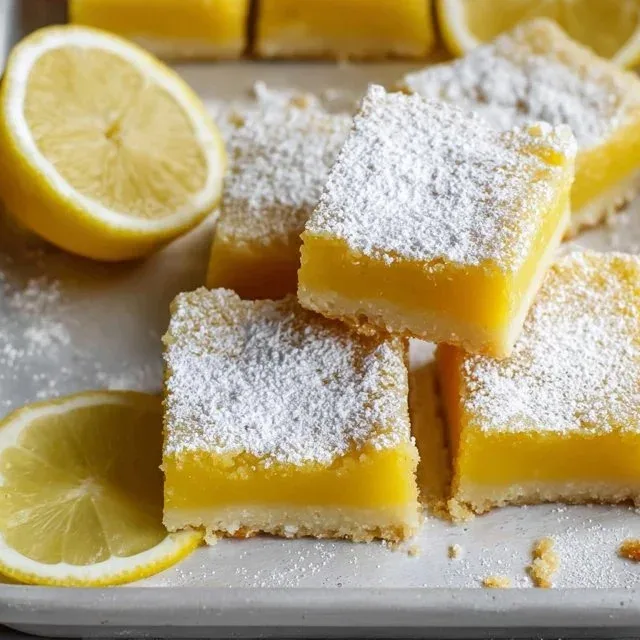

There’s something comforting about the classic lemon pound cake, with its dense but tender crumb and bright citrus notes. It’s a versatile treat, perfect for adding a touch of sweetness to weeknights, celebrating weekends, or serving at gatherings. This recipe allows for flexibility in enjoyment, whether you savor a slice on a quiet morning with your coffee or share it with friends during afternoon tea. The simplicity of the preparation invites you into the rhythm of the kitchen, making it a comforting choice for anyone.
Why You’ll Love This Recipe Moist Lemon Pound Cake
This moist lemon pound cake is both simple to make and reliably delicious. It balances vibrant lemon flavor with a tender crumb, delivering comfort in every bite. The practical everyday value of this recipe means you can whip it up on a whim, enjoying the ease of the process as well as the satisfaction of a delightful result.
Kitchen Tools You’ll Need
- Mixing bowls
- Measuring cups and spoons
- Electric mixer or whisk
- Rubber spatula
- Loaf pan
- Sifter
Ingredients
- 1 1/2 cups all purpose flour (provides structure)
- 1/2 teaspoon salt (enhances flavor)
- 1/4 teaspoon baking powder (aids in leavening)
- 1/2 cup unsalted butter, room temperature (adds richness)
- 1/4 cup butter or shortening, room temperature (contributes moisture)
- 1 1/2 cups granulated sugar (sweetens and helps with moisture)
- 3 large eggs (binds the mixture)
- 3 tablespoons fresh lemon juice, strained (adds acidity and flavor)
- 1 tablespoon lemon zest (provides aromatic flavor)
- 1/2 cup milk (creates a moist texture)
- 1 cup confectioners’ sugar, sifted (for a smooth glaze)
- 2 tablespoons fresh lemon juice, strained (for glaze flavor)
- Lemon zest for garnish, optional (adds visual appeal)
How to Make Moist Lemon Pound Cake
Step 1. Begin by preheating your oven to 350°F. This provides the right environment for baking the cake evenly. Preparing the oven in advance ensures that the cake starts cooking at the right temperature, helping it rise and develop its structure from the moment it goes in.
Step 2. In a medium bowl, combine the all-purpose flour, salt, and baking powder. Whisk these dry ingredients together until they are evenly mixed. This step helps to distribute the leavening agent and salt throughout the flour, which is important for achieving consistent texture and flavor in the finished cake.
Step 3. In another mixing bowl, cream together the unsalted butter and shortening until the mixture is light and fluffy. You can use an electric mixer or a whisk for this. The texture should be smooth and slightly aerated, which will help create a light cake by incorporating air into the batter.
Step 4. Gradually add the granulated sugar to the butter mixture, continuing to beat until it is well combined and light in texture. This step is crucial for ensuring that the sugar fully dissolves, contributing to the cake’s overall sweetness and moistness.
Step 5. Add the eggs to the creamed mixture one at a time, mixing well after each addition. The mixture should be smooth and cohesive as the eggs blend in. This will help the structure bind together, creating a rich and tender cake.
Step 6. Stir in the fresh lemon juice and lemon zest until evenly incorporated. The lemon juice adds a nice acidity that balances the sweetness, while the zest contributes a bright, aromatic quality that enhances the overall flavor profile of the cake.
Step 7. Gradually mix in the dry ingredients from Step 2 and the milk, alternating between the two, starting and finishing with the flour mixture. This method helps to prevent overmixing and keeps the batter’s consistency balanced, ensuring the cake remains moist without becoming dense.
Step 8. Pour the batter into a greased loaf pan, smoothing the top with a spatula if necessary. Make sure to spread it evenly to ensure uniform baking. The batter should be thick yet spreadable, creating an even layer in the pan for proper rising.
Step 9. Bake the cake in the preheated oven for about 60 minutes, until a toothpick inserted into the center comes out clean. Keep an eye on it towards the end of the baking time. The cake should have a golden-brown top, and you might notice a slight shrinkage from the sides indicating it’s done.
Step 10. While the cake cools, prepare the glaze by whisking together the confectioners’ sugar and the additional lemon juice. The mixture should be smooth and pourable but thick enough to coat the back of a spoon. This glaze will add a lovely sweetness and tang to the finished cake.
Step 11. Once the cake is cool, drizzle the lemon glaze over the top. Allow it to set for a few minutes before slicing. This step enhances the cake visually and complements the flavor, ensuring each slice is beautifully finished.

Serving Suggestions
This moist lemon pound cake is quite versatile. It makes a delightful breakfast companion, enjoyed alongside a warm cup of tea or coffee. A slice also serves well as an afternoon snack, providing a sweet bite during busy afternoons. For family meals, it can be a perfect dessert option, and any leftover cake is tasty the next day, maintaining its moistness when stored properly. Whether you serve it plain or with fresh fruit, it fits into any casual or special occasion seamlessly.
Pro Tips for Best Results
- Make sure your butter and eggs are at room temperature for better incorporation.
- Sifting the dry ingredients can help prevent lumps and ensure even distribution.
- Allow the cake to cool in the pan for a bit before transferring it to a wire rack; this helps maintain its structure.
- Drizzle the glaze while the cake is still slightly warm for better adhesion.
- Keep the cake covered to maintain its moisture for longer.
Common Mistakes to Avoid
- Not measuring ingredients accurately: This can affect the texture and flavor balance. Always use measuring cups and spoons for precision.
- Overmixing the batter: This can lead to a dense cake. Mix just until combined to ensure a light texture.
- Using cold butter or eggs: This can make it difficult to achieve a fluffy batter. Make sure everything is at room temperature before you begin.
- Skipping the glaze: The glaze adds crucial moisture and flavor. Don’t skip it or the cake may taste bland.
- Not letting the cake cool properly: Cutting into a warm cake can cause it to crumble. Allow it to cool completely for clean slices.
- Storing it improperly: Leaving it uncovered can dry out the cake. Wrap it well to preserve moisture and freshness.
Variations & Substitutions
For a twist on this lemon pound cake, consider adding poppy seeds for a delightful crunch. You can also incorporate fresh berries or serve it with a fruit compote for added flavor and presentation. Adjust the lemon juice and zest quantities for a more pronounced citrus effect, or try a different citrus fruit like orange for a change in flavor.
Storage & Reheating
Store the cake at room temperature in an airtight container to keep it moist for up to four days. For longer storage, you can refrigerate it for about a week. If you prefer freezing, wrap the cake tightly in plastic wrap and then in aluminum foil. It can last up to three months in the freezer. To reheat, simply allow it to come to room temperature, or warm it gently in the microwave for a few seconds to enjoy its freshly baked texture.
Frequently Asked Questions
Can I make this recipe ahead of time?
Yes, this cake can be made a day or two ahead of your gathering. Just store it properly, and it will maintain its moisture and flavor.
How long does it last in the fridge?
When stored in an airtight container, the lemon pound cake can last up to a week in the refrigerator while maintaining its flavor and texture.
Can I freeze this recipe?
Yes, you can freeze the cake for up to three months. Wrap it tightly to protect it from freezer burn and thaw it before serving.
What can I substitute for one ingredient?
If you’re out of unsalted butter, you can use all butter in your recipe instead of the mixture of butter and shortening while maintaining a similar richness.
Why didn’t my recipe turn out as expected?
Often, the culprit is incorrect measurements or mixing techniques. Ensuring accurate measurements and mixing just until combined can help avoid common pitfalls.
Final Thoughts
Making this moist lemon pound cake is a straightforward process that results in a delightful treat. Its comforting flavors and tender texture create a satisfying addition to any table or gathering. Whether you enjoy it right away or savor it later, this recipe offers the simplicity and reassurance of home baking at its best.

Moist Lemon Pound Cake
Ingredients
Dry Ingredients
- 1 1/2 cups all purpose flour provides structure
- 1/2 teaspoon salt enhances flavor
- 1/4 teaspoon baking powder aids in leavening
Wet Ingredients
- 1/2 cup unsalted butter, room temperature adds richness
- 1/4 cup butter or shortening, room temperature contributes moisture
- 1 1/2 cups granulated sugar sweetens and helps with moisture
- 3 large eggs binds the mixture
- 3 tablespoons fresh lemon juice, strained adds acidity and flavor
- 1 tablespoon lemon zest provides aromatic flavor
- 1/2 cup milk creates a moist texture
Glaze
- 1 cup confectioners' sugar, sifted for a smooth glaze
- 2 tablespoons fresh lemon juice, strained for glaze flavor
Garnish
- Lemon zest, optional adds visual appeal
Instructions
Preparation
- Preheat your oven to 350°F.
- In a medium bowl, combine the all-purpose flour, salt, and baking powder. Whisk until evenly mixed.
- In another bowl, cream together the unsalted butter and shortening until light and fluffy.
- Gradually add granulated sugar to the butter mixture, beating until well combined and light.
- Add the eggs one at a time, mixing well after each addition.
- Stir in fresh lemon juice and lemon zest until evenly incorporated.
- Alternately mix in the dry ingredients and milk, starting and finishing with the flour mixture.
- Pour the batter into a greased loaf pan and smooth the top.
Baking
- Bake the cake for about 60 minutes, until a toothpick inserted into the center comes out clean.
Glazing
- While the cake cools, whisk together confectioners' sugar and additional lemon juice to prepare the glaze.
- Once the cake is cool, drizzle the glaze over the top and allow it to set before slicing.